
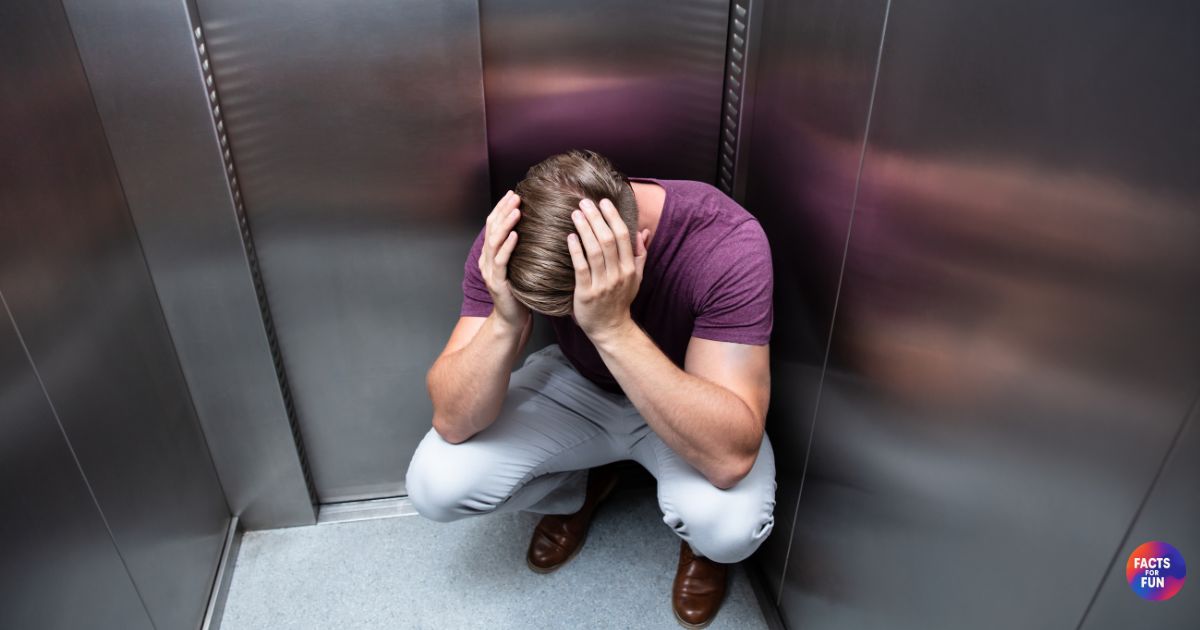
Phobias are some of the most fascinating quirks of the human mind. While many people know about common fears like heights, spiders, or enclosed spaces, there are dozens of rare, unusual and truly unexpected phobias that affect our thoughts and behavior in surprising ways. These unusual fears may sound strange, but for the people who experience them, the anxiety is very real.
Before exploring the most bizarre phobias, it is important to understand what phobias are and why they happen at all.
Table of Contents:
- What exactly is a phobia?
- Why do people develop phobias?
- What are the symptoms of a phobia?
- Can phobias be treated?
- Unusual Human Phobias (Expanded and Detailed)
- Arachibutyrophobia: Fear of peanut butter sticking to the roof of the mouth
- Hippopotomonstrosesquippedaliophobia: Fear of long words
- Nomophobia: Fear of being without a mobile phone
- Ablutophobia: Fear of bathing or washing
- Trypophobia: Fear of clusters of small holes
- Omphalophobia: Fear of belly buttons
- Eisoptrophobia: Fear of mirrors
- Pogonophobia: Fear of beards
- Anatidaephobia: Fear that a duck is watching you
- Xanthophobia: Fear of the color yellow
- Linonophobia: Fear of string
- Globophobia: Fear of balloons
- Koumpounophobia: Fear of buttons
- FAQ
What exactly is a phobia?
A phobia is an intense, irrational and persistent fear of a specific object, situation or sensation. This fear goes far beyond normal discomfort and causes strong anxiety or avoidance, even when the threat is harmless or very unlikely.
Scientists estimate that around one in ten people worldwide experience a phobia at some point in their lives. Women are statistically more likely to develop phobias than men, although the exact reasons are still not fully understood.
Why do people develop phobias?
Phobias can form for many different reasons. Some begin after a traumatic experience, such as nearly drowning, being chased by a dog or getting stuck in an elevator. Others develop through learned behavior: watching a parent or friend react with fear can teach the brain to adopt the same response.
Genetics also play a role. Some people are naturally more prone to anxiety and fear-based reactions. Media, horror movies and frightening images can also reinforce phobias, even when the danger is not real.
What are the symptoms of a phobia?
Phobias can cause both emotional and physical reactions, such as:
- intense fear or panic
- rapid heartbeat
- sweating and trembling
- shortness of breath
- nausea or stomach discomfort
- dizziness or a sense of unreality
These reactions appear quickly and can happen even when someone simply thinks about the thing they fear.
Can phobias be treated?
Yes. Most phobias respond very well to treatment. The most effective methods are cognitive behavioral therapy (CBT) and exposure therapy. Exposure therapy uses gradual, safe, guided encounters with the feared object or situation until the brain learns a calmer response.
Now let us look at some of the strangest, rarest and most unusual phobias that have been described.
Unusual Human Phobias (Expanded and Detailed)
Arachibutyrophobia: Fear of peanut butter sticking to the roof of the mouth
Arachibutyrophobia sounds surprisingly specific, but for many people it creates real and intense anxiety. The fear is not just about peanut butter as a food but about the sticky sensation when it gets lodged against the roof of the mouth. For some, it is tied to a deeper fear of choking or suffocating. This may come from a childhood incident where sticky foods caused panic or breathing difficulty. Others develop the fear because the texture feels invasive, uncontrollable or overwhelming. Even thinking about the sensation can trigger stress, and people with this phobia often avoid peanut butter entirely, along with other thick foods like caramel, tahini or dense spreads.
Hippopotomonstrosesquippedaliophobia: Fear of long words
Despite sounding like a joke, this phobia is a real and documented condition. People who have it feel anxious when reading, hearing or pronouncing long, complex words. The fear often begins in childhood, especially if the person was publicly embarrassed for mispronouncing words at school. Over time, the brain begins to associate long words with humiliation, pressure and loss of control. Some individuals avoid academic settings, public speaking or reading aloud because they fear encountering difficult vocabulary. Ironically, the name of the phobia is one of the longest in the English language, which makes it a famously self-referential example of how irrational and humorous phobias can appear from the outside while feeling intense from the inside.
Nomophobia: Fear of being without a mobile phone
Nomophobia is considered one of the first major modern-day phobias that emerged because of technology. For people with this condition, losing access to their phone feels similar to losing a safety net. They fear missing important messages, losing their sense of connection or being unable to call for help. This phobia is closely linked to social anxiety, fear of isolation and the habit of using smartphones as emotional support tools. When separated from their device, individuals may feel panic, disorientation or helplessness. The fear intensifies if the battery is low, the phone is forgotten at home, or there is no signal. In extreme cases, even imagining being without a phone triggers stress.
Ablutophobia: Fear of bathing or washing
Ablutophobia is more than a reluctance to bathe. It is an intense and overwhelming fear of washing, showering or cleaning the body. The phobia often begins in childhood, usually after a frightening incident involving water, slipping in the bath or being forced into cold or uncomfortable washing routines. For others, the fear is rooted in sensory sensitivity, where the feeling of water, soap or running water on the skin becomes overstimulating or distressing. As the person grows older, the avoidance can create social challenges and physical discomfort, which increases their anxiety even more. Ablutophobia is rare but can significantly impact daily life.
Trypophobia: Fear of clusters of small holes
Trypophobia is one of the best known unusual fears. People with this phobia experience discomfort, disgust or full panic attacks when they see tightly packed holes or bumps. Common triggers include lotus seed pods, honeycombs, coral, sponges or even small bubbles in dough or skin patterns on animals. Scientists believe this reaction may be linked to evolution: poisonous animals, skin diseases and parasites often have similar textures, so the brain may interpret these shapes as danger signals. The fear is not officially classified as a mental disorder, but millions of people report physical symptoms such as itching, goosebumps, sweating or nausea when exposed to trypophobic images.
Omphalophobia: Fear of belly buttons
Omphalophobia may seem trivial, but it can cause strong anxiety. People with this fear may avoid touching their own belly button or looking at someone else’s. The fear can stem from medical procedures, childhood poking or fear of contamination. Some individuals believe the belly button is a vulnerable body area, and touching it could cause pain or internal harm. Because of this, people with omphalophobia often cover their navel, avoid swimwear or ask others not to touch or discuss belly buttons at all. The discomfort can be so intense that even the idea of cleaning the area provokes stress.
Eisoptrophobia: Fear of mirrors
People with eisoptrophobia feel distressed when looking into mirrors or reflective surfaces. This can come from low self-esteem, body dysmorphic tendencies or fear of seeing a distorted or frightening image. In some cultures, mirrors are associated with spirits, curses or the supernatural, which can also contribute to anxiety. For some, the fear involves seeing themselves truthfully and confronting features they dislike. Others fear seeing something behind them in the reflection. Many individuals cover mirrors at home or avoid them entirely, creating everyday challenges when getting dressed or grooming.
Pogonophobia: Fear of beards
Pogonophobia is an intense fear of beards, sometimes triggered by a single frightening encounter with a bearded person. Because beards hide parts of the face, they can make emotional expressions harder to read. For people who rely on facial cues to feel safe, this uncertainty becomes frightening. Sensory factors also play a role: some individuals dislike the texture, smell or unpredictability of beards. In severe cases, the fear can lead to avoiding bearded strangers, barbershops, or even family members who grow facial hair.
Anatidaephobia: Fear that a duck is watching you
Although commonly referenced in humor, anatidaephobia is a real and irrational fear where a person believes that somewhere, somehow, a duck or goose might be observing them. It captures the absurd logic of phobias, where a harmless or unlikely scenario still triggers anxiety. The fear may begin with a childhood encounter involving geese, which can be loud, aggressive or territorial. Over time, the brain creates an association that ducks or similar birds pose a continuous, unseen threat. Even hearing quacking sounds or seeing duck images can cause discomfort.
Xanthophobia: Fear of the color yellow
Xanthophobia involves an intense fear of the color yellow itself. This includes yellow clothing, flowers, food, taxis and even sunlight reflecting off surfaces. The fear may come from a traumatic event involving yellow objects or from a sensory sensitivity that makes the color overwhelming. For some people, yellow symbolizes danger or sickness, especially if they experienced jaundice or were exposed to warning signs in yellow. In extreme cases, individuals may avoid rooms, brands or clothing that contain the color.
Linonophobia: Fear of string
This phobia includes fear of string, rope, shoelaces, yarn or any cord-like object. It can stem from childhood incidents involving tying up, restraint or physical entanglement. For some individuals, the texture of string is unpleasant or triggers sensory overload. People with linonophobia may avoid crafts, certain clothing or even household objects that involve cords. The fear can disrupt daily life, especially when dealing with shoes, packages or appliances.
Globophobia: Fear of balloons
Globophobia often develops from the unpredictable loud noise when balloons pop. For a child, the sudden blast can feel traumatic and dangerous. Over time, the focus shifts from the sound to the balloons themselves. People with this phobia may avoid parties, celebrations or stores with balloon decorations. Even seeing balloons on television can provoke anxiety. For some, the tension of knowing that a balloon could pop at any moment is unbearable.
Koumpounophobia: Fear of buttons
This fear often develops in childhood and may be connected to bad memories involving clothing, discomfort with textures or associations with contamination. People with koumpounophobia may avoid touching buttons, wearing them or washing clothes that have them. Schools and workplaces can become challenging because many uniforms include buttons. The fear can extend to round objects resembling buttons, making the everyday world feel full of triggers.
FAQ
Are unusual phobias real medical conditions?
Yes. Even if a phobia sounds strange or oddly specific, the fear response it creates is genuine. People with unusual phobias experience the same intense symptoms as those with more common fears. These include panic, sweating, shaking, avoidance and overwhelming anxiety. The unusual nature of the trigger does not make the condition less real or less distressing.
What causes rare and unusual phobias to develop?
Most unusual phobias begin from a combination of factors. A person may experience a traumatic event, such as a frightening childhood encounter or an embarrassing moment tied to a specific object. Genetics and personality traits can make someone more sensitive to fear-based responses. Learned behavior also plays a major role. Seeing others react with fear can train the brain to treat harmless things as dangerous. Media, horror stories and sensory sensitivity can reinforce these reactions until they become phobias.
Can unusual phobias be treated or cured?
Yes. The majority of phobias respond very well to therapy. Cognitive behavioral therapy helps reframe irrational thoughts, while exposure therapy slowly introduces the feared object or situation in a safe and controlled way. Over time, the brain unlearns the fear response. Mindfulness, breathing techniques and gradual desensitization can also reduce symptoms. In severe cases, mental health professionals may use medication to manage anxiety.
Why do some phobias develop around harmless or random objects?
The human mind often makes connections that do not follow logic. Phobias are driven by emotional memory, not reasoning. If the brain associates an object with danger, embarrassment or traumatic sensations, even harmless triggers can cause panic. For example, the fear of balloons is often linked to loud sounds rather than the object itself. Similarly, the fear of buttons or strings may come from childhood discomfort, sensory overload or negative reinforcement.
Is trypophobia considered a real diagnosis?
Trypophobia is not officially listed as a disorder in diagnostic manuals, but millions of people report strong emotional and physical reactions to clustered hole patterns. These reactions may come from the brain interpreting certain textures as signs of disease, parasites or poisonous animals. Even though it is not a formal diagnosis, trypophobia is recognized as a real and widespread fear response.
Why do modern technologies create new phobias like nomophobia?
As daily life becomes more interconnected with digital devices, the brain adapts emotionally to these new dependencies. Smartphones function as communication tools, safety devices and sources of social validation. Losing access can trigger fears of isolation, danger or missing out. This makes digital separation feel threatening, which can evolve into a true phobia.
Are unusual phobias more common in children or adults?
Both children and adults can develop unusual phobias, but the origins differ. Children are more likely to form phobias through sensory discomfort and frightening experiences. Adults often develop them through stress, trauma or long-term anxiety patterns. Some childhood phobias fade with age, while others become reinforced and persist into adulthood.
Do phobias ever appear without a clear cause?
Yes. Many phobias do not have a specific event behind them. The brain may generalize fear from unrelated experiences, or the phobia may result from biological predisposition toward anxiety. Some individuals simply discover their fear accidentally when they react strongly to a trigger for the first time.
Sources