
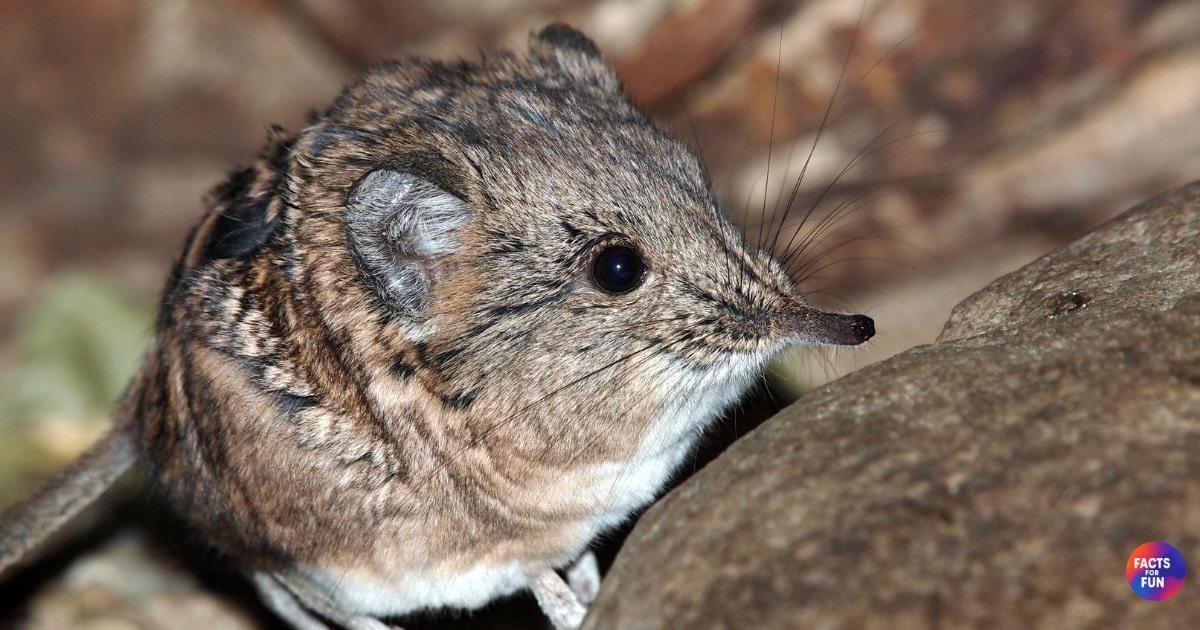
The Etruscan shrew is a mammal that lives at the absolute edge of biological possibility. Every second of its life is shaped by the challenge of staying warm, finding food, and avoiding predators with almost no margin for error. Studying this tiny animal helps scientists understand the lower limits of mammal size, metabolism, and survival.
- The Etruscan shrew is the smallest mammal by mass
- Its body length is shorter than a human finger
- Heat loss is one of its greatest enemies
- The heart rate reaches extreme levels
- Its metabolism is among the fastest of all mammals
- A short lack of food can cause death
- The diet focuses on small, energy-rich prey
- It hunts aggressively despite its tiny size
- Prey close to its own size can still be subdued
- Vision plays a limited role in survival
- Whiskers provide detailed spatial awareness
- High-frequency sounds may assist navigation
- The brain is tiny but highly optimized
- Activity occurs both day and night
- The species prefers warm and temperate regions
- Dry grasslands and rocky habitats are ideal
- Nests are simple but strategically placed
- Predators create constant pressure
- Lifespan is very short
- Reproduction happens early and quickly
- Mothers must balance extreme energy demands
- The Etruscan shrew defines the lower limit of mammal life
- FAQ
- Sources
The Etruscan shrew is the smallest mammal by mass
This species weighs only about 1.5 to 2 grams. At this size, even a tiny energy imbalance can be deadly. Being the smallest mammal means there is very little room for fat storage, muscle mass, or internal reserves. The shrew’s entire lifestyle exists to compensate for this extreme limitation.
Its body length is shorter than a human finger
The body length is usually around 4 centimeters, excluding the tail. Such a small size allows the shrew to exploit microhabitats that larger predators cannot reach, like narrow cracks between rocks or dense ground vegetation. However, this also dramatically increases heat loss, making constant movement and feeding essential.
Heat loss is one of its greatest enemies
Small animals lose heat far faster than large ones because of their high surface-to-volume ratio. For the Etruscan shrew, even mild temperature drops can be dangerous. This is why it prefers warm and temperate regions and avoids cold climates where energy demands would exceed what constant hunting can supply.
The heart rate reaches extreme levels
The heart of an Etruscan shrew can beat more than 1,000 times per minute. This rapid heartbeat ensures oxygen and nutrients reach cells fast enough to support its intense metabolism. Such a heart rate is only possible because of the animal’s tiny size and short blood circulation distances.
Its metabolism is among the fastest of all mammals
The shrew burns energy at an extraordinary rate. To survive, it must eat nearly constantly, sometimes consuming food equal to or exceeding its own body weight in a single day. This metabolism keeps its body temperature stable but leaves no room for long rest periods.
A short lack of food can cause death
Unlike larger mammals that can survive days without eating, the Etruscan shrew may die after just a few hours without food. This makes food availability the single most important factor in its survival. Even brief disruptions, such as bad weather reducing insect activity, can be fatal.
The diet focuses on small, energy-rich prey
Etruscan shrews mainly eat insects, spiders, larvae, and other small invertebrates. These prey items are rich in protein and relatively easy to digest quickly. The shrew does not have the luxury of slow digestion or low-energy foods.
It hunts aggressively despite its tiny size
Although it looks fragile, the Etruscan shrew is a fearless hunter. It attacks prey rapidly and decisively, using sharp teeth and quick movements. Speed and aggression are necessary to minimize the energy spent during each hunt.
Prey close to its own size can still be subdued
The shrew is capable of overpowering insects nearly as large as itself. This ability is crucial because limiting prey size would reduce feeding options. Strong jaws relative to body size help compensate for its small mass.
Vision plays a limited role in survival
The Etruscan shrew does not rely heavily on sight. Its eyes are small and not well suited for detailed vision. Instead, its world is shaped more by sound, vibration, and touch.
Whiskers provide detailed spatial awareness
Sensitive whiskers help the shrew detect obstacles, prey movement, and surface textures. In dark or cluttered environments, whiskers allow the animal to “feel” its surroundings without slowing down.
High-frequency sounds may assist navigation
Some evidence suggests the shrew produces high-frequency sounds that help it orient itself. While not true echolocation like in bats, this ability may help it sense nearby objects and avoid collisions in tight spaces.
The brain is tiny but highly optimized
The Etruscan shrew has one of the smallest brains among mammals. Despite this, it can react extremely quickly. Neural efficiency is essential, as slower reaction times would increase the risk of starvation or predation.
Activity occurs both day and night
Because energy demands never stop, the shrew does not follow a strict daily schedule. It may hunt during daylight or darkness, depending on when prey is available. Rest periods are short and frequent rather than long and predictable.
The species prefers warm and temperate regions
Etruscan shrews are found in southern Europe, North Africa, and parts of Asia. These regions offer climates where insects are available most of the year and temperatures rarely drop to lethal levels.
Dry grasslands and rocky habitats are ideal
Rocky terrain, stone walls, and dry grasslands provide hiding places and stable microclimates. Cracks and crevices offer shelter from predators and help reduce heat loss during rest.
Nests are simple but strategically placed
The shrew builds small nests in protected locations such as under stones or inside abandoned burrows. These nests are used briefly and primarily serve to conserve heat rather than provide long-term shelter.
Predators create constant pressure
Birds, snakes, and small mammals hunt Etruscan shrews. Their survival depends on speed, concealment, and staying close to cover. Open ground is extremely dangerous for such a small animal.
Lifespan is very short
Most Etruscan shrews live just over one year in the wild. Their intense metabolism and constant exposure to danger leave little chance for long life, but rapid reproduction helps maintain populations.
Reproduction happens early and quickly
Females can reproduce at a young age. Early reproduction is essential in a species where long-term survival is unlikely. This strategy ensures that genes are passed on quickly.
Mothers must balance extreme energy demands
Lactation requires enormous energy relative to body size. Mothers must hunt almost continuously to support both themselves and their young. Any disruption can threaten the entire litter.
The Etruscan shrew defines the lower limit of mammal life
This species shows how small a warm-blooded mammal can be while still functioning. It represents a biological boundary, beyond which maintaining body temperature and metabolism may no longer be possible.
FAQ
Where do Etruscan shrews live?
They live in southern Europe, North Africa, and parts of Asia. They prefer warm regions with dry grasslands, rocky areas, and abundant insects.
Why does the Etruscan shrew need to eat constantly?
Its extremely fast metabolism burns energy quickly. Without frequent feeding, it cannot maintain body temperature or basic bodily functions.
How small is the Etruscan shrew compared to other mammals?
It is the smallest mammal by mass, weighing less than most mammals and even lighter than many insects.
Is the Etruscan shrew dangerous?
No. It is aggressive toward prey but completely harmless to humans.
Why is this species important to science?
It helps scientists understand the biological limits of mammal size, metabolism, and energy use.