
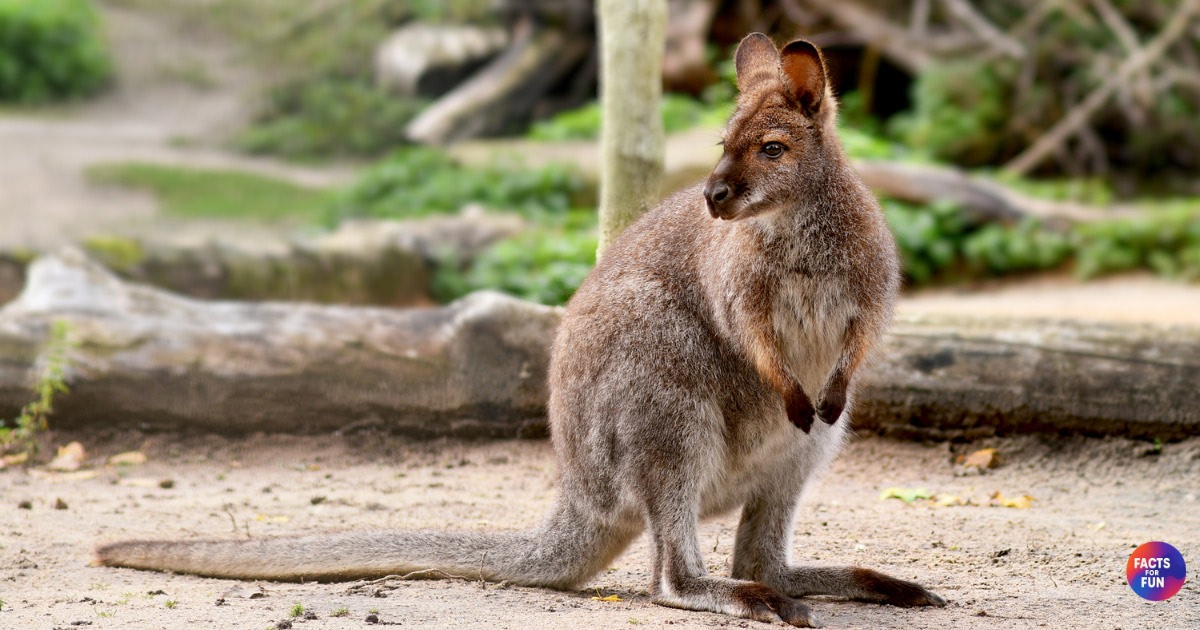
Marsupials are mammals best known for raising tiny newborns outside the womb, often in a pouch. They live mostly in Australia and nearby islands, with another big group in the Americas. Their habitats range from rainforests and mountains to deserts, grasslands, and wetlands, and their survival tricks include energy-saving lifestyles, specialized diets, and even the ability in some species to pause pregnancy when times are tough.
- Marsupials give birth extremely early
- Many newborn marsupials crawl to the pouch on their own
- The pouch acts like a safe nursery, not just a “pocket”
- Not all marsupials have a visible pouch
- Marsupials are concentrated in Australia, but they are not only Australian
- Marsupials live in a surprisingly wide range of habitats
- Kangaroos are built for open landscapes and long travel
- Koalas survive in eucalyptus forests with a highly specialized diet
- Wombats are powerful diggers adapted to life underground
- Wombats produce cube-shaped droppings for territory marking
- Opossums are the only marsupials native to North America
- Many marsupials are nocturnal to avoid heat and danger
- Many marsupials rely heavily on smell and scent marking
- Marsupials often have lower metabolic rates, which helps in harsh climates
- Some marsupials enter torpor to survive cold or food shortages
- Tasmanian devils are scavengers with an extreme bite for their size
- Some marsupials are excellent climbers built for life in trees
- Some marsupials have backward-facing pouches for a practical reason
- Marsupial milk can change over time to match the baby’s needs
- Some marsupials can pause pregnancy when conditions are bad
- Marsupial mothers can sometimes manage young of different ages at once
- Sibling rivalry is common, and only one baby often thrives
- Marsupials are threatened by habitat loss and introduced predators
- FAQ
- Sources
- Video
Marsupials give birth extremely early
Marsupial babies are born much earlier than babies of placental mammals. They arrive tiny and underdeveloped, usually with limited vision and movement, but with strong forelimbs that help them reach the mother. This early birth reduces how long the mother must carry a developing fetus internally, which can be helpful in environments where food and water change quickly.
Many newborn marsupials crawl to the pouch on their own
In species with a pouch, the newborn often makes a short but critical climb from the birth canal to the pouch. It uses smell, touch, and instinct to find the nipple. This is one of the most dramatic moments in mammal development, because the baby must succeed immediately to survive.
The pouch acts like a safe nursery, not just a “pocket”
Inside the pouch, the baby is protected from weather, bumps, and many predators. The pouch also helps keep the young warm and close to milk, which is essential because the newborn cannot regulate its body temperature well. In many species, the pouch has muscles that can tighten to hold the baby more securely as the mother moves.
Not all marsupials have a visible pouch
Some marsupials have a deep pouch, while others have a shallow fold or only loose skin. In species with reduced pouches, the young may cling to fur and stay very close to the mother’s belly. The “pouch” idea is real, but it comes in many designs depending on how the species lives and moves.
Marsupials are concentrated in Australia, but they are not only Australian
Australia is the main hotspot for marsupials, with kangaroos, wallabies, koalas, wombats, quolls, and many smaller species. But marsupials also thrive across the Americas, especially opossums in Central and South America. Their distribution is a story of ancient land connections and long isolation that shaped evolution in different directions.
Marsupials live in a surprisingly wide range of habitats
Marsupials are not limited to one climate. You can find them in eucalyptus forests, tropical rainforests, open grasslands, rocky mountains, semi-arid scrublands, and wetlands. Habitat influences their body design and behavior – tree climbers tend to have strong claws and gripping feet, while ground dwellers may be built for digging or long-distance travel.
Kangaroos are built for open landscapes and long travel
Kangaroos and many wallabies evolved for moving efficiently across open habitats like grasslands and savannas. Hopping can be extremely energy-efficient at steady speed, helping them cover long distances to find food and water. Their large tail also acts like a balancing tool during movement and a support when standing.
Koalas survive in eucalyptus forests with a highly specialized diet
Koalas live mainly in Australian eucalyptus woodlands and forests, where their food is abundant but challenging. Eucalyptus leaves are fibrous, low in calories, and contain defensive chemicals. Koalas rely on a specialized digestive system and long feeding times, and they often rest for many hours a day to conserve energy.
Wombats are powerful diggers adapted to life underground
Wombats live in forests, woodlands, and grasslands where soil allows burrowing. Their bodies are compact, muscular, and designed for pushing through earth. Burrows provide stable temperature and protection from heat and predators, making underground life a major survival advantage in many Australian environments.
Wombats produce cube-shaped droppings for territory marking
Wombats use droppings to communicate and mark territory. The cube shape helps keep droppings from rolling away, so scent marks remain in place on logs, rocks, or raised surfaces. This is an unusual example of how even waste can become a tool for survival and social messaging.
Opossums are the only marsupials native to North America
The Virginia opossum is the only marsupial naturally found in North America. It lives in forests, suburbs, and even cities, showing impressive flexibility. This adaptability helps it survive in changing landscapes, including areas heavily shaped by humans.
Many marsupials are nocturnal to avoid heat and danger
A large number of marsupials are active at night, especially in hot or open regions. Night activity reduces overheating, lowers water loss, and helps avoid daytime predators. Nocturnal habits also shape their senses, making hearing and smell especially important for navigation and finding food.
Many marsupials rely heavily on smell and scent marking
Scent plays a huge role in marsupial communication. They use scent glands, urine, or rubbing behavior to mark trails and territories, and to identify mates. In dense habitats like forests and scrub, scent can be more reliable than sight for sending messages over time.
Marsupials often have lower metabolic rates, which helps in harsh climates
Compared to placental mammals of similar size, many marsupials use energy more slowly. This can be an advantage when food quality is low or seasonal. In dry regions or during poor seasons, a slower metabolism can be the difference between survival and starvation.
Some marsupials enter torpor to survive cold or food shortages
Small marsupials in cooler or variable climates may enter torpor, a temporary state where body temperature and energy use drop sharply. This is not the same as deep hibernation, but it can still save a lot of energy overnight or during tough weather. Torpor is especially useful in habitats where insects or nectar disappear suddenly.
Tasmanian devils are scavengers with an extreme bite for their size
Tasmanian devils live mainly in Tasmania across forests and coastal scrub. They are famous for eating carrion, including bones and tough tissues most animals leave behind. A powerful bite and strong jaws let them take full advantage of carcasses, which is valuable in environments where fresh prey is not guaranteed.
Some marsupials are excellent climbers built for life in trees
Tree-dwelling marsupials like possums and certain wallabies have strong limbs and claws for gripping bark. Living in trees can reduce pressure from ground predators and opens access to leaves, fruit, and insects. Arboreal life also shapes their balance and their ability to move confidently on narrow branches.
Some marsupials have backward-facing pouches for a practical reason
Wombats and a few other marsupials have pouches that face backward. This prevents dirt and debris from being pushed into the pouch while digging. It is a simple design change that makes an enormous difference for protecting a vulnerable baby.
Marsupial milk can change over time to match the baby’s needs
As the baby grows, the mother’s milk composition can shift, supporting different stages of development. Early milk supports tiny, underdeveloped newborns, while later milk supports rapid growth and activity. This flexible milk strategy helps replace some of what placental mammals achieve during long pregnancy.
Some marsupials can pause pregnancy when conditions are bad
This is one of the most fascinating reproductive tricks in mammals. In several species, especially kangaroos and wallabies, the mother can temporarily stop embryo development, effectively putting pregnancy on hold until conditions improve. This helps her avoid giving birth when food is scarce, when she is already caring for a young joey, or when the environment is stressful. When resources return or the older joey becomes more independent, development can resume.
Marsupial mothers can sometimes manage young of different ages at once
In some species, a mother may have a tiny newborn in the pouch while an older juvenile still nurses occasionally outside the pouch. This overlapping care strategy spreads reproductive risk across time. It also means the mother’s body has to balance energy needs carefully, which is why pausing embryo development can be so useful.
Sibling rivalry is common, and only one baby often thrives
In species where multiple young can be born, competition can be intense. The strongest baby may secure the best access to milk and attention. This can sound harsh, but it increases the chances that at least one young survives in environments where raising multiple offspring would be too risky.
Marsupials are threatened by habitat loss and introduced predators
Many Australian marsupials evolved without predators like cats and foxes. When these predators were introduced, some marsupial populations declined sharply because they lacked effective defenses. Habitat loss makes the problem worse by reducing hiding places and food sources, especially in fragmented landscapes.
FAQ
Where do marsupials live?
Most marsupials live in Australia and nearby islands, but many species also live in the Americas, especially in Central and South America. Their habitats include forests, rainforests, grasslands, deserts, mountains, and wetlands, depending on the species.
What makes marsupials different from other mammals?
Marsupials give birth very early, and the newborn continues developing outside the womb, often in a pouch. This strategy reduces how long pregnancy lasts and gives mothers more flexibility when conditions in the environment change.
Can marsupials really pause pregnancy?
Yes, in several species, especially kangaroos and wallabies, mothers can pause embryo development when food is scarce or when they are already caring for a joey. When conditions improve, development can resume, helping the mother time birth for a safer season.
Do all marsupials have pouches?
No. Some have deep pouches, others have shallow folds of skin, and a few have no obvious pouch at all. Even without a pouch, the young still cling tightly to the mother and rely on close contact and nursing.
Why are many marsupials endangered?
The biggest threats are habitat loss, climate change, and introduced predators such as cats and foxes. Many marsupials evolved without those predators and struggle to survive when ecosystems change quickly.
Sources
- Wikipedia – Marsupial
- Australian Museum – What is a Marsupial?
- San Diego Zoo Wildlife Alliance – Marsupials