
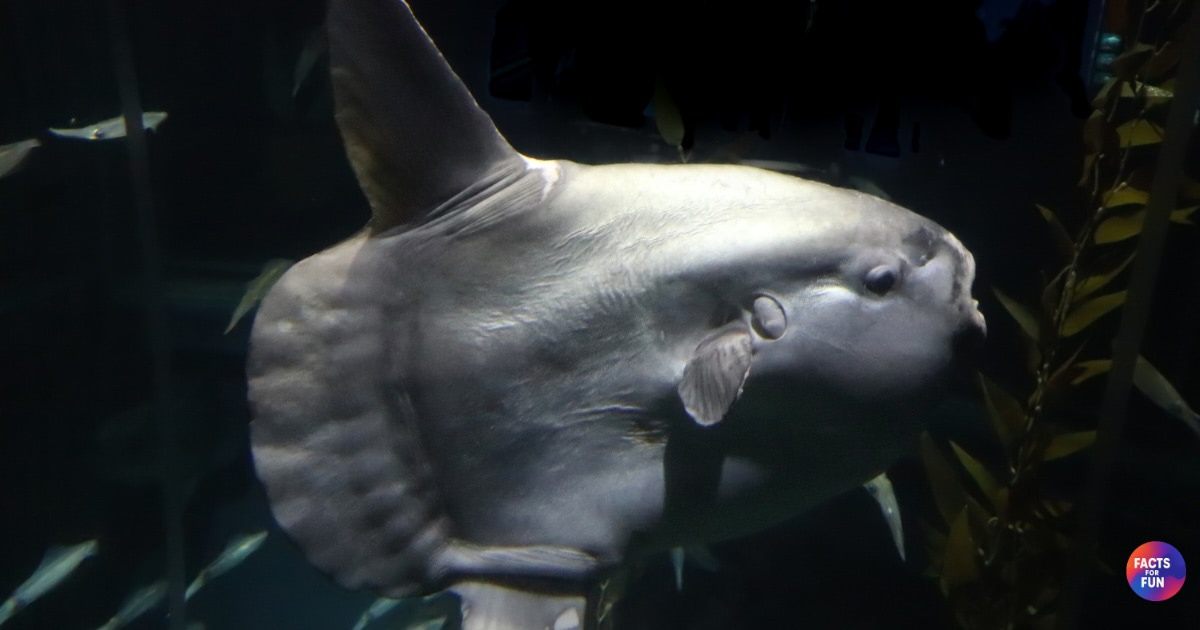
The ocean sunfish, also known as the mola, is one of the strangest fish in the sea. With its massive flat body, slow movements, and unusual lifestyle, it challenges nearly every expectation people have about how a fish should look or behave. Despite appearing clumsy, the ocean sunfish is a highly specialized survivor of the open ocean.
- The ocean sunfish is the heaviest bony fish on Earth
- Its body shape looks incomplete compared to other fish
- Ocean sunfish can be taller than a human
- Sunfish live primarily in the open ocean
- They perform deep dives on a regular basis
- Jellyfish make up a major part of their diet
- Digesting jellyfish requires extreme volume processing
- Sunfish swim using fin-powered motion rather than tail thrust
- They often bask at the ocean surface
- Parasites are a constant challenge for ocean sunfish
- Birds and fish act as natural cleaners
- Sunfish skin is unusually thick and tough
- Ocean sunfish produce more eggs than any other vertebrate
- Most sunfish offspring die very early
- Juveniles look nothing like adults
- Adult sunfish have few natural predators
- Slow movement helps conserve energy
- Sunfish help regulate jellyfish populations
- Human activity poses growing risks
- The ocean sunfish redefines what a fish can be
- FAQ
- Sources
The ocean sunfish is the heaviest bony fish on Earth
Adult ocean sunfish can weigh more than 2,000 kilograms, making them the heaviest known bony fish. This mass is not the result of muscle power but of overall body volume, thick skin, and dense internal tissues.
Such size helps compensate for a low-energy diet. By being large, the sunfish can process huge amounts of food and store energy over time, allowing it to survive long periods between feeding opportunities in the open ocean.
Its body shape looks incomplete compared to other fish
At first glance, the ocean sunfish appears to be missing half of its body. Instead of a normal tail fin, it has a rigid structure called a clavus, formed by the fusion of fin rays.
This unusual shape reduces drag when drifting and stabilizes the body during slow swimming. Rather than fast propulsion, the sunfish is built for efficiency and endurance in open water.
Ocean sunfish can be taller than a human
Measured from the tip of the dorsal fin to the anal fin, some individuals exceed 4 meters in height. When swimming upright, they can appear taller than a standing adult human.
This vertical size makes the sunfish highly visible in the water, but it also discourages many predators. Few animals are willing to attack something that large and unfamiliar.
Sunfish live primarily in the open ocean
Ocean sunfish are pelagic animals, spending most of their lives far from shore. They inhabit temperate and tropical oceans worldwide, often crossing entire ocean basins.
Living in the open ocean reduces competition but requires the ability to travel long distances and survive in areas with unpredictable food availability.
They perform deep dives on a regular basis
Although often seen at the surface, ocean sunfish regularly dive hundreds of meters deep. These dives allow them to access prey that live in colder, darker waters.
Deep diving also helps regulate body temperature. After descending into cold depths, sunfish return to the surface to warm up, balancing energy use and digestion.
Jellyfish make up a major part of their diet
Jellyfish are the primary food source for many ocean sunfish. While jellyfish are low in calories, they are abundant and easy to capture.
This diet shapes nearly every aspect of sunfish biology, from body size to feeding behavior, and explains why they must consume large quantities of food.
Digesting jellyfish requires extreme volume processing
Jellyfish are mostly water, offering little nutrition per bite. The sunfish digestive system is adapted to process massive volumes efficiently.
Its large body allows space for digestion and nutrient absorption, compensating for the poor energy quality of its food.
Sunfish swim using fin-powered motion rather than tail thrust
Instead of moving their body side to side, sunfish propel themselves by synchronizing movements of their dorsal and anal fins.
This motion resembles flapping wings and allows steady, controlled movement rather than speed. It suits a lifestyle based on drifting and long-distance travel.
They often bask at the ocean surface
One of the most recognizable behaviors of the ocean sunfish is lying on its side at the surface. This basking behavior helps restore body temperature after deep dives.
Surface basking may also play a role in parasite removal, as it exposes the body to sunlight and cleaning animals.
Parasites are a constant challenge for ocean sunfish
Ocean sunfish host an extraordinary number of parasites, sometimes dozens of species at once. Their slow movement and large surface area make them easy targets.
Managing parasites is a major survival issue, influencing behavior such as basking, cleaning interactions, and habitat choice.
Birds and fish act as natural cleaners
Seabirds and small fish are often observed picking parasites from sunfish skin. The sunfish tolerates this contact, remaining calm and still.
These cleaning interactions improve health and reduce parasite loads, showing how cooperation between species can evolve naturally.
Sunfish skin is unusually thick and tough
The skin of an ocean sunfish can be several centimeters thick and feels almost rubbery. Beneath it lies a dense layer that further protects internal organs.
This skin acts as armor against parasites, minor injuries, and even predator bites, compensating for the lack of speed or agility.
Ocean sunfish produce more eggs than any other vertebrate
A single female sunfish can produce hundreds of millions of eggs in one reproductive cycle. This is the highest egg output known among vertebrates.
Such extreme reproduction offsets massive losses during early life stages, where most eggs and larvae are eaten or fail to survive.
Most sunfish offspring die very early
Sunfish larvae are tiny and extremely vulnerable. Predation rates are enormous, and only a tiny fraction reach adulthood.
This makes high reproduction essential. The species relies on probability rather than parental care to ensure survival.
Juveniles look nothing like adults
Young ocean sunfish are spiny, compact, and resemble typical fish. As they grow, their body shape transforms dramatically.
This change reflects a shift in habitat, diet, and survival strategy as they move from vulnerable juveniles to massive adults.
Adult sunfish have few natural predators
Only the largest marine predators, such as orcas and great white sharks, regularly attack adult sunfish.
Their size, thick skin, and unusual shape provide effective protection against most threats.
Slow movement helps conserve energy
Ocean sunfish do not chase prey. Instead, they drift and move slowly, conserving energy while feeding on abundant but low-energy food.
This strategy allows survival in environments where speed offers little advantage.
Sunfish help regulate jellyfish populations
By consuming large numbers of jellyfish, sunfish play an important role in marine ecosystems.
Without predators like sunfish, jellyfish populations could grow unchecked, disrupting food webs.
Human activity poses growing risks
Sunfish are often caught accidentally in fishing gear and injured by boat strikes. Plastic pollution is especially dangerous, as floating plastic can resemble jellyfish.
These threats add pressure to a species already dependent on delicate ecological balance.
The ocean sunfish redefines what a fish can be
The sunfish breaks nearly every rule of typical fish design. Its survival proves that evolution does not aim for elegance or symmetry, only effectiveness.
In the open ocean, being slow, massive, and strange can be just as successful as being fast and streamlined.
FAQ
Where do ocean sunfish live?
Ocean sunfish live in temperate and tropical oceans worldwide. They spend most of their time in open water but may approach coastal areas occasionally.
Why do sunfish lie on their side at the surface?
This behavior helps them warm up after deep dives and may allow birds and fish to remove parasites from their skin.
Are ocean sunfish dangerous to humans?
No. Ocean sunfish are harmless to humans and are generally calm and slow-moving.
What do ocean sunfish eat?
They mainly eat jellyfish, along with small fish, squid, and crustaceans.
Why are ocean sunfish important to science?
They help scientists understand extreme body designs, reproduction strategies, and how animals survive on low-energy diets in the open ocean.