
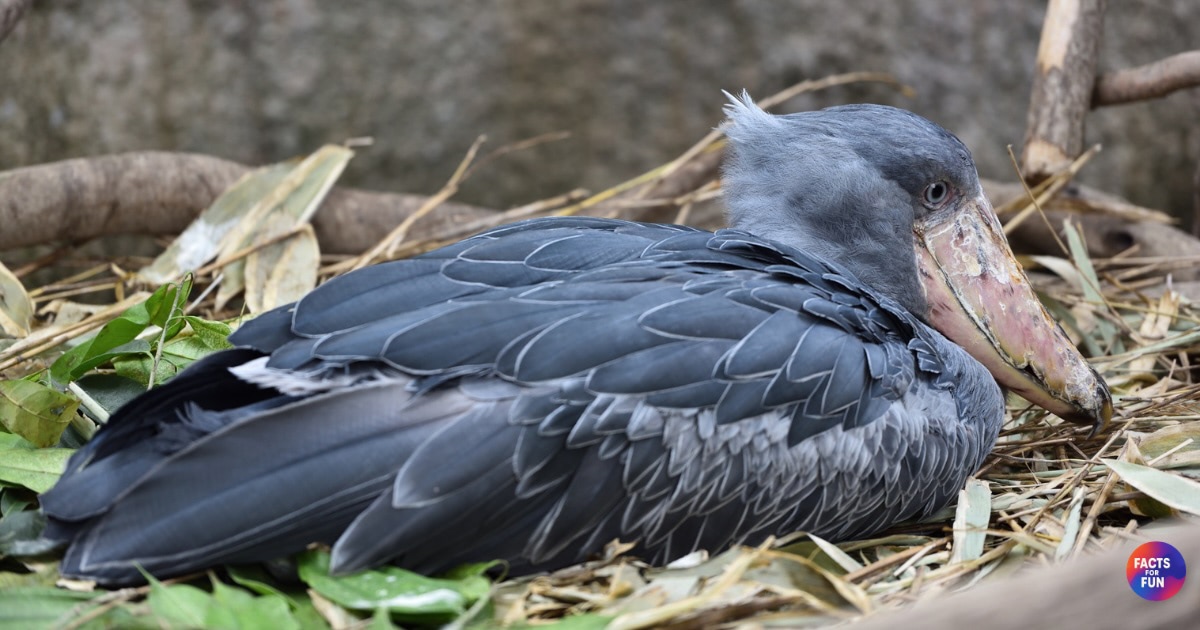
The shoebill is one of the most unusual birds on the planet. With its enormous beak, slow movements, and calm but intense stare, it looks almost prehistoric. Found in remote African wetlands, the shoebill combines patience, strength, and precision in a way few other birds do, making it a true icon of evolutionary design.
- The shoebill gets its name from its massive shoe-shaped beak
- Shoebills are among the tallest birds in Africa
- Shoebills hunt by standing perfectly still
- Lungfish are the shoebill’s favorite prey
- Shoebills are often called living dinosaurs
- Shoebills communicate mostly without sound
- The shoebill’s stare is a hunting adaptation
- Shoebills prefer a solitary lifestyle
- Shoebill nests are built directly on floating plants
- Shoebill parents cool their eggs with water
- Only the strongest chick usually survives
- Shoebills are stronger flyers than expected
- Shoebills depend on remote wetlands
- Shoebills are considered vulnerable in the wild
- Shoebills can live more than 30 years
- FAQ
- Sources
The shoebill gets its name from its massive shoe-shaped beak
The shoebill’s beak can reach more than 20 centimeters in length and is wider than that of most birds its size. Its thick edges and sharp hook at the tip allow it to grip slippery prey and crush hard bodies. The beak’s shape closely resembles a wooden shoe or clog, which directly inspired the bird’s name.
Shoebills are among the tallest birds in Africa
Adult shoebills can stand up to 1.5 meters tall, giving them a commanding presence in the swamp. Their long legs help them move slowly through water without disturbing fish, while their height allows them to spot prey hiding beneath floating plants.
Shoebills hunt by standing perfectly still
Rather than chasing prey, shoebills rely on ambush. They can remain motionless for extended periods, sometimes over an hour, carefully watching the water surface. When a fish surfaces to breathe, the bird strikes with sudden speed and force.
Lungfish are the shoebill’s favorite prey
Lungfish are difficult prey because they are slippery and can survive in low-oxygen water. Shoebills are specially adapted to catch them, often removing excess vegetation before swallowing the fish whole. They also eat catfish, eels, frogs, and small reptiles.
Shoebills are often called living dinosaurs
Their slow movements, large size, and stern facial expression give shoebills a prehistoric look. While they are not direct descendants of dinosaurs, their appearance closely resembles ancient wading birds that lived millions of years ago.
Shoebills communicate mostly without sound
Shoebills are generally silent birds. Instead of vocal calls, they produce bill-clattering sounds by rapidly striking their beaks together. This behavior is most common during breeding and when interacting with chicks.
The shoebill’s stare is a hunting adaptation
The bird’s intense, unblinking gaze is not a threat display. Shoebills focus their eyes forward to track movement in water and judge distance accurately. This fixed stare helps them time their strike with precision.
Shoebills prefer a solitary lifestyle
Most shoebills live and hunt alone. Even breeding pairs maintain large territories and avoid close contact with others. Solitary behavior reduces competition for food in wetlands where prey availability can change quickly.
Shoebill nests are built directly on floating plants
Instead of nesting in trees, shoebills construct large platforms from reeds and grass on floating vegetation. This location keeps the nest close to feeding areas and makes it harder for ground predators to reach the eggs.
Shoebill parents cool their eggs with water
In hot climates, eggs can overheat. Shoebill parents actively scoop water with their beaks and pour it over the eggs to regulate temperature. This rare behavior increases chick survival in extreme heat.
Only the strongest chick usually survives
If two chicks hatch, the stronger one often outcompetes the weaker sibling for food. Parents tend to feed the dominant chick more frequently, ensuring that at least one offspring reaches maturity.
Shoebills are stronger flyers than expected
Despite their heavy appearance, shoebills can fly long distances. They use slow, powerful wingbeats and often fly low over wetlands when traveling between feeding and nesting sites.
Shoebills depend on remote wetlands
They inhabit dense swamps and marshes that are difficult for humans to access. These environments provide both food and protection but also make conservation monitoring challenging.
Shoebills are considered vulnerable in the wild
Habitat destruction, wetland drainage, and illegal wildlife trade threaten shoebill populations. Because they reproduce slowly and need very specific environments, their numbers recover slowly.
Shoebills can live more than 30 years
In captivity, shoebills have lived for over three decades. Their slow metabolism and cautious behavior contribute to a longer lifespan than many other bird species.
FAQ
Where do shoebills live?
Shoebills live in freshwater wetlands in central and eastern Africa. They are commonly found in Uganda, South Sudan, Zambia, and nearby regions where dense vegetation and shallow water support their hunting style.
Are shoebills dangerous to humans?
Shoebills are not aggressive toward humans. They are shy birds that prefer to avoid interaction. Their intimidating appearance comes from their size and stillness, not hostile behavior.
Why do shoebills stand still while hunting?
Standing motionless helps shoebills conserve energy and avoid disturbing prey. This ambush strategy is especially effective for catching fish that briefly surface to breathe.
Can shoebills fly?
Yes, shoebills can fly well. They use slow, powerful wingbeats and can travel long distances when necessary, even though they usually prefer walking or standing still.
Why are shoebills threatened?
Shoebills face threats from habitat loss, wetland drainage, climate change, and illegal capture. Their slow breeding cycle makes population recovery difficult.