
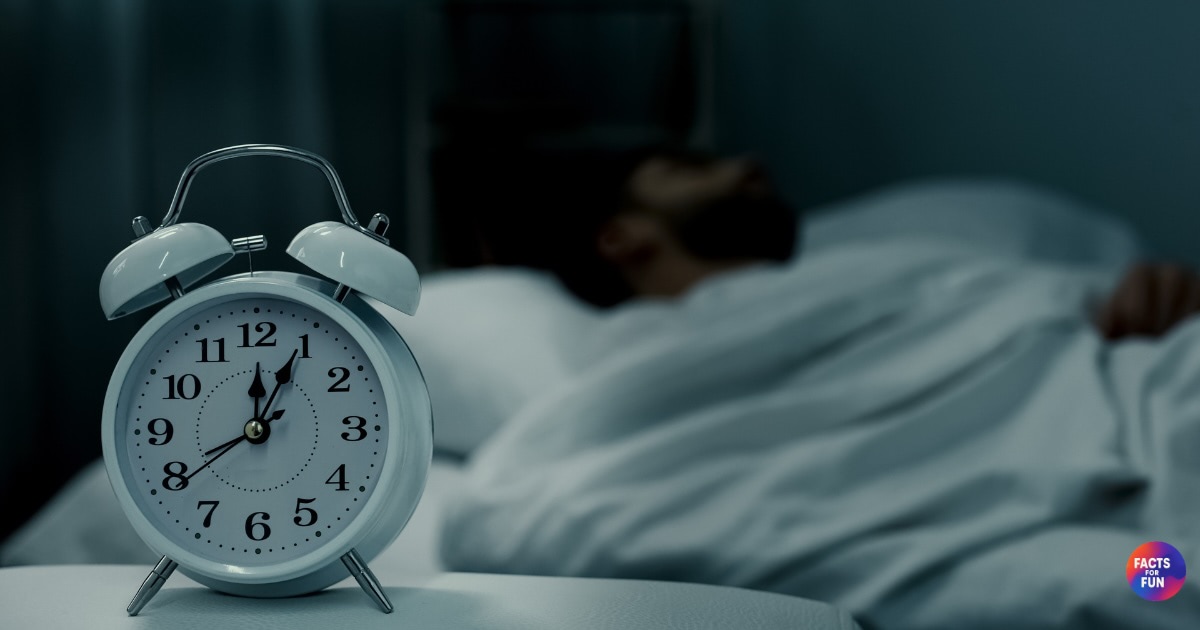
Sleep is one of the most mysterious activities of the human body. We spend nearly one third of our lives asleep, yet scientists are still uncovering how this nightly reset shapes our memory, mood, immunity, and overall health. From deep rest that repairs the body to vivid dreams that light up the brain, sleep is far more complex and fascinating than it seems. Here are some of the most surprising facts about human sleep.
- Sleep Is an Active State for the Brain
- Staying Awake Too Long Mimics Alcohol Effects
- Deep Sleep Dominates the First Hours of the Night
- Sleep Supports Brain Plasticity
- Quality of Sleep Matters More Than Quantity
- Women Are More Likely to Experience Insomnia
- The Ideal Bedroom Temperature Is Cooler
- Falling Asleep Should Take 10 to 20 Minutes
- Getting Out of Bed Helps Fight Insomnia
- Sleeping on the Left Side Can Improve Digestion
- Alcohol Disrupts Sleep Cycles
- Most Dreams Are Forgotten Within Minutes
- Napping Cannot Replace a Full Night’s Sleep
- Humans Spend About a Third of Their Life Sleeping
- Deep Sleep Helps the Body Repair Itself
- REM Sleep Energizes the Brain for the Day
- Humans Do Not Swallow Spiders While Sleeping
- FAQ
Sleep Is an Active State for the Brain
Sleep may feel like the body is shutting down, but the brain never stops working. During certain stages of sleep, brain cells fire almost as intensely as they do during daytime thinking. Electrical waves sweep across the cortex, memories are sorted and stored, waste products are cleared out, and important neural circuits are strengthened. Some brain regions even use more glucose and oxygen at night than during waking hours. Sleep is not rest for the brain. It is maintenance time.
Staying Awake Too Long Mimics Alcohol Effects
After about 16 hours of being awake, the brain enters a state similar to mild intoxication. Reaction times slow down, logical thinking weakens, attention becomes scattered, and emotional control decreases. Studies show that staying awake for 20 hours can impair performance as much as a blood alcohol level of 0.08 percent. This is one reason sleep deprived people are more likely to make risky decisions or misjudge everyday situations.
Deep Sleep Dominates the First Hours of the Night
The earliest part of the night contains the longest, most restorative phases of deep sleep. During slow wave sleep, brain waves slow dramatically, muscles relax, and the body enters a low energy state ideal for recovery. As the night continues, deep sleep becomes shorter, and REM sleep becomes more frequent. This pattern explains why dreams feel more vivid in the early morning, while the beginning of the night is the best time for physical repair.
Sleep Supports Brain Plasticity
The brain uses sleep to reorganize itself. New information and experiences gathered during the day are replayed at night, helping the brain decide what to store and what to forget. Synapses weaken or strengthen depending on what matters most. Without this nightly reset, the brain becomes overloaded and less flexible. This is why even one night of poor sleep can make learning new skills or remembering details noticeably harder.
Quality of Sleep Matters More Than Quantity
Sleeping for eight hours does not guarantee a refreshing morning. If sleep is constantly interrupted, the brain cannot advance smoothly through the cycles needed for full recovery. People who wake up feeling tired often have enough hours in bed but not enough time in deep or REM sleep. Good sleep depends on continuity, not just duration.
Women Are More Likely to Experience Insomnia
Hormonal shifts throughout life create more opportunities for sleep disturbances in women. Menstrual cycles, pregnancy, and menopause can all influence body temperature, stress hormones, and mood, making sleep less predictable. Women also tend to experience lighter sleep on average, which makes them more sensitive to nighttime noises or physical discomfort.
The Ideal Bedroom Temperature Is Cooler
Falling asleep is easier when the environment matches the body’s natural cooling process. As core body temperature drops in the evening, cool air helps signal that it is time for sleep. A warm room works against this process, making it harder to reach deeper stages of sleep. Even small changes in temperature can significantly affect comfort and rest.
Falling Asleep Should Take 10 to 20 Minutes
This range indicates that your body is ready for rest but not overly exhausted. Falling asleep instantly, within seconds, often means the brain is trying to compensate for chronic lack of sleep. On the other hand, needing an hour or more may signal stress, overstimulation, or poor sleep habits before bedtime.
Getting Out of Bed Helps Fight Insomnia
Tossing and turning for too long teaches the brain to associate the bed with frustration. A proven technique called stimulus control recommends getting up, going to another room, and doing something quiet until sleepiness returns. This method retrains the brain to link the bed only with actual sleep.
Sleeping on the Left Side Can Improve Digestion
Because of the natural shape and position of the stomach, lying on the left side helps gravity keep stomach acid from moving upward into the esophagus. This position can also support better digestion by improving the flow of waste through the intestines. Many people with acid reflux notice fewer symptoms when choosing the left side.
Alcohol Disrupts Sleep Cycles
Alcohol may help you fall asleep faster, but it deeply interferes with how your body progresses through the night. It suppresses REM sleep early on, leading to restless dreams later and more awakenings. Alcohol is also a muscle relaxant, which can worsen snoring or increase the risk of airway blockages during sleep.
Most Dreams Are Forgotten Within Minutes
Dreams fade quickly because the brain’s memory centers are less active during REM sleep. This makes storing dream details difficult. Yet dreams are frequent. People dream several times each night, and even if most of the content is lost, the emotional impact of dreams can linger.
Napping Cannot Replace a Full Night’s Sleep
A short nap can refresh the mind, restore alertness, and improve mood, but it does not recreate the full complexity of nighttime sleep cycles. Only nighttime sleep provides long slow wave periods and extended REM phases. Overreliance on naps can also shift your internal clock and make sleeping at night harder.
Humans Spend About a Third of Their Life Sleeping
If the average person lives to 75, they will spend roughly 25 years asleep. While that may sound like a lot, those years are essential. Without them, the body would struggle with memory formation, emotional balance, immune function, and healing.
Deep Sleep Helps the Body Repair Itself
During deep sleep, the body goes into a repair mode. Blood flow to the muscles increases, growth hormone is released, and cells begin repairing microscopic damage from daily wear and tear. This stage is also crucial for restoring the immune system, preparing it to fight infections.
REM Sleep Energizes the Brain for the Day
REM sleep is when brain activity becomes fast and irregular, similar to wakefulness. The body temporarily relaxes its major muscles to prevent acting out dreams. REM is strongly linked with creativity, emotional processing, and problem solving. Missing REM sleep can make people feel mentally foggy and emotionally sensitive the next day.
Humans Do Not Swallow Spiders While Sleeping
The myth that people swallow several spiders per year during sleep has no scientific basis. Spiders avoid humans because of vibrations, breath, and movement. A sleeping human is not a quiet, appealing target. Research shows no documented cases of people regularly ingesting spiders at night.
FAQ
Why do humans need sleep at all?
Sleep helps the brain recharge, process memories and support learning. The body uses sleep to repair tissues, strengthen the immune system and regulate metabolism.
How much sleep do adults really need?
Most adults need 7 to 9 hours of sleep per night. Some people function well with slightly less, but chronic lack of sleep affects mood, focus and long term health.
Why do we dream?
Scientists believe dreams help the brain process emotions, organize memories and make sense of daily experiences. REM sleep, the stage where most dreams occur, plays an important role in mental health.
Is it unhealthy to sleep too much?
Oversleeping on a regular basis can be linked to low energy, depression or medical conditions. Occasionally sleeping longer after a busy week is normal and simply reflects the need to recover.
Does caffeine really affect sleep?
Yes. Caffeine blocks adenosine, a natural chemical that promotes sleepiness. Its effects can last up to eight hours, so drinking coffee late in the day can make it harder to fall asleep.
Sources
Wikipedia – Sleep
Sleep Health Foundation – Facts About Sleep
Johns Hopkins Medicine – The Science of Sleep
The Sleep Matters Club – 60 Facts About Sleep