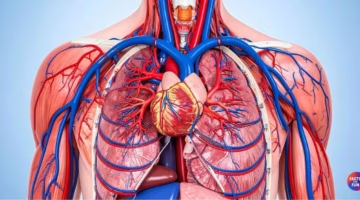
Human blood is one of the most remarkable substances in the body — a fast-moving transport system, a shield against infections, a temperature regulator, and a life-support network that never rests. Below are the most interesting facts about what your blood is, how it works, and why it matters.
👉 If you want to explore how blood moves through the body, check out our full guide:
25 Amazing Facts About the Human Circulatory System
Table of Contents:
- Blood Is Mostly Plasma, Not Cells
- The Body Contains 4–5 Liters of Blood
- Blood Delivers, Protects, and Regulates
- Blood Is Produced in the Bone Marrow
- Human Blood Contains Traces of Gold
- Your Blood Makes a Full Circuit in Under 30 Seconds
- The Body Produces 2 Million Red Blood Cells Every Second
- Blood Cells Have Different Lifespans
- Human Blood Is Always Red
- Your Body Contains Up to 100,000 Miles of Blood Vessels
- Blood Donations Save Millions of Lives
- What Red, White, and Platelet Cells Do
- The Most and Least Common Blood Types
- Universal Donors and Recipients
- Severe Accidents May Require 50+ Pints of Blood
- Blood Components Have Different Shelf Lives
- There Is No Artificial Replacement for Blood
- Cancer Patients Often Need Frequent Transfusions
- Blood Tests Reveal Hidden Health Information
- Pregnancy Increases Blood Volume by 50%
- People with Blood Type O Attract More Mosquitoes
- The Cornea Has No Blood Vessels
- FAQ
Blood Is Mostly Plasma, Not Cells
About 55% of your blood is plasma — a pale, yellowish liquid made mostly of water. Plasma carries hormones, nutrients, antibodies, salts, and waste products. Only about 45% of blood is made up of cells such as red blood cells, white blood cells, and platelets.
The Body Contains 4–5 Liters of Blood
An average adult woman carries around 4 liters of blood, while an adult man carries about 5 liters. Blood makes up roughly 7–8% of your total body weight.
Blood Delivers, Protects, and Regulates
Blood delivers oxygen, water, nutrients, and hormones to tissues. It removes carbon dioxide and waste products. It carries immune cells that fight infection and helps regulate body temperature by redistributing heat.
Blood Is Produced in the Bone Marrow
Inside your bones is soft tissue called bone marrow, where most of the body’s blood cells are created. Adults produce about 95% of all blood cells in the pelvis, sternum, and spine.
Human Blood Contains Traces of Gold
Yes — real gold. The body contains less than 0.2 mg of gold, most of it in the blood. It serves no known biological purpose, but appears naturally in trace amounts along with iron, copper, zinc, and other metals.
Your Blood Makes a Full Circuit in Under 30 Seconds
Thanks to your heart’s continuous pumping, a red blood cell completes a full trip through your body in less than a minute.
The Body Produces 2 Million Red Blood Cells Every Second
Red blood cells form in bone marrow over about 7 days. To replace worn-out cells, the body makes around 2 million new ones every second.
Blood Cells Have Different Lifespans
Red blood cells live about 120 days. Platelets survive around 9–12 days. Plasma lost during donation is usually replaced within 24 hours.
Human Blood Is Always Red
Blood looks bright red when oxygenated and darker red when returning to the heart with less oxygen. Some animals have blue, green, or even purple blood, but human blood is always red due to iron-containing hemoglobin.
Your Body Contains Up to 100,000 Miles of Blood Vessels
If you stretched all your blood vessels end to end, they could wrap around the Earth more than twice. The average estimate ranges from 60,000 to 100,000 miles.
Blood Donations Save Millions of Lives
Every year, Americans receive about 21 million blood components. An estimated 4.5 million people in the U.S. are saved annually thanks to transfusions.
What Red, White, and Platelet Cells Do
Red blood cells transport oxygen and carbon dioxide.
White blood cells defend the body from bacteria and viruses.
Platelets help seal wounds and stop bleeding by forming clots.
The Most and Least Common Blood Types
The most common blood type in the U.S. is O positive.
The rarest is AB negative — less than 1% of Americans have it.
Universal Donors and Recipients
Type O-negative blood can be given to nearly anyone — that’s why it’s crucial in emergencies.
Type AB-positive people can receive blood from any donor type.
Severe Accidents May Require 50+ Pints of Blood
Car crash victims with heavy blood loss may need dozens of units of blood, especially red cells. In emergencies, O-positive is used when there’s no time to determine the patient’s blood type.
Blood Components Have Different Shelf Lives
Stored red blood cells last up to 42 days.
Whole blood lasts about 35 days.
Platelets only last 5 days — making platelet donations extremely important.
There Is No Artificial Replacement for Blood
Despite advances in medicine, blood cannot be manufactured. The only source is volunteer donors.
Cancer Patients Often Need Frequent Transfusions
People undergoing chemotherapy rely heavily on donated blood and platelets because treatment suppresses the bone marrow’s ability to produce them.
Blood Tests Reveal Hidden Health Information
From cholesterol to kidney function to hormonal balance, blood analysis helps diagnose diseases long before symptoms appear.
Pregnancy Increases Blood Volume by 50%
By the 20th week of pregnancy, a woman’s blood volume expands dramatically to support the developing fetus and placenta.
People with Blood Type O Attract More Mosquitoes
Several studies show mosquitoes prefer people with type O blood, possibly because of skin chemistry differences.
The Cornea Has No Blood Vessels
Almost every cell in the human body depends on blood — except the cornea. It gets oxygen directly from the air, which helps keep vision clear.
FAQ
What is human blood made of?
Blood consists of plasma (55%) and blood cells (45%), including red blood cells, white blood cells, and platelets. Plasma carries nutrients, hormones, and waste products, while cells transport oxygen, fight infections, and help with clotting.
How much blood does a person have?
Most adults carry 4 to 5 liters of blood, making up about 7–8% of body weight. Men tend to have slightly more blood volume than women due to body size and muscle mass.
Where is blood made in the body?
Most blood cells are made in the bone marrow inside the pelvis, sternum, ribs, and spine. Hematopoietic stem cells continuously produce new blood cells throughout life.
Why is human blood red?
The red color comes from hemoglobin — an iron-containing protein that binds oxygen. When oxygenated, blood looks bright red; when low in oxygen, it becomes darker.
How long do blood cells live?
Red blood cells live about 120 days, platelets around 10 days, and white blood cells from hours to years depending on their type.
Why do we need blood donations?
There is no artificial substitute for human blood. Donations are essential for surgeries, injuries, cancer treatments, premature infants, organ transplants, and chronic illnesses.
What blood type is the rarest?
AB-negative is the rarest major blood type in the U.S., found in less than 1% of the population.
Can blood volume change?
Yes. Blood volume increases during pregnancy and decreases with dehydration. Severe injuries can cause rapid loss of blood volume, requiring urgent transfusion.
Why does the cornea not have blood vessels?
Blood vessels would interfere with vision clarity, so the cornea gets oxygen directly from the air and nutrients from tears and aqueous fluid.
Sources