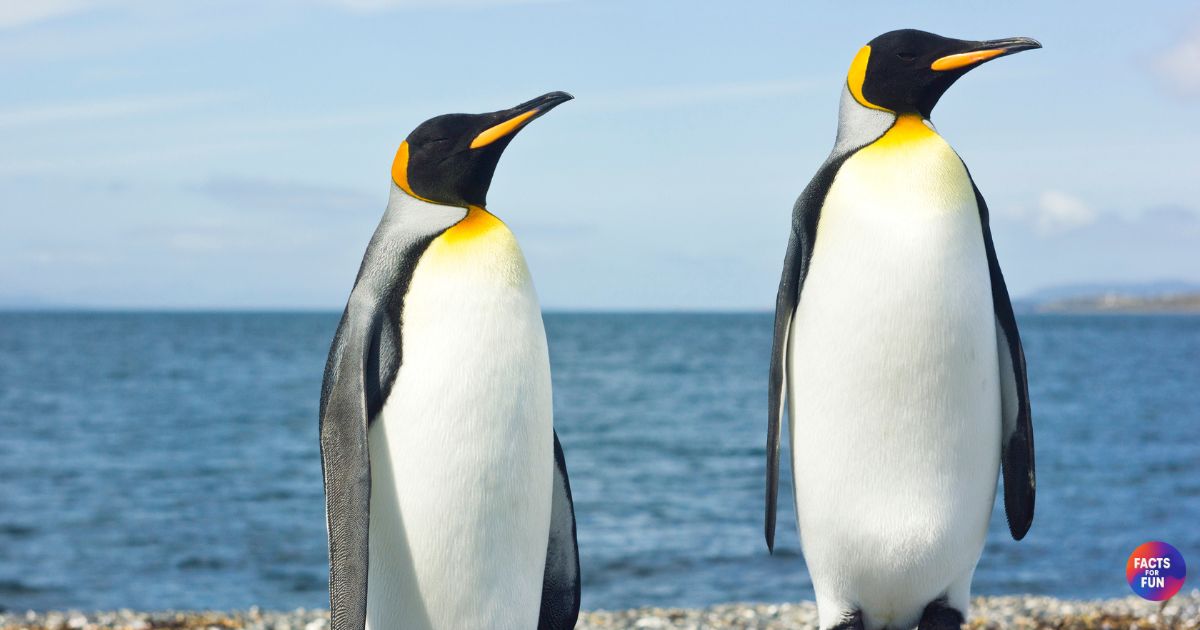
Penguins are some of the world’s most extraordinary birds — creatures that can’t fly, yet soar through the water with the grace of torpedoes. They live in the harshest places on Earth, form loyal partnerships, and endure temperatures that would freeze most animals solid. Beneath their tuxedo-like feathers lies a fascinating story of survival, adaptation, and teamwork.
Table of Contents:
- Penguins Live Only in the Southern Hemisphere
- One Species Crosses the Equator
- There Are Around 18 Species of Penguins
- The Emperor Penguin Is the Largest Bird That Can’t Fly
- The Little Blue Penguin Is the Smallest
- Ancient Penguins Were as Tall as Humans
- Penguins Can’t Fly — But They Fly Underwater
- The Gentoo Penguin Is the Fastest Swimmer
- Emperor Penguins Dive Deeper Than Any Other Bird
- Penguins Can Hold Their Breath for 20 Minutes
- Penguins Eat Only Seafood
- They Don’t Have Teeth — But They Have Spines
- Their Black-and-White Feathers Are a Disguise
- Penguins Keep Warm With a Built-In Heat System
- Penguins “Sneeze” Out Salt
- Penguin Dads Are Devoted Parents
- Penguins Recognize Each Other by Voice
- Some Penguins Give Pebbles as Love Gifts
- Penguin Colonies Are Visible From Space
- Penguins Form Daycare Groups
- Penguins Slide on Their Bellies to Travel
- Not All Penguins Live in Cold Places
- Penguins Are Fearless Around Humans
- Penguins Have Been Around for 60 Million Years
- FAQ
Penguins Live Only in the Southern Hemisphere
Every penguin species naturally lives south of the equator. From the frozen ice of Antarctica to the sunny beaches of South Africa, New Zealand, Chile, and Australia, these birds have found ways to thrive in all kinds of climates. Their southern distribution is no coincidence — it’s shaped by cold ocean currents that carry the fish and krill they depend on.
Read more: 24 Amazing Emperor Penguin Facts You Didn’t Know
One Species Crosses the Equator
The Galápagos penguin is the only species that sometimes ventures north of the equator. Thanks to the cool Humboldt and Cromwell ocean currents, it can survive right on the equator itself — a rare exception to the rule that penguins are creatures of the south.
There Are Around 18 Species of Penguins
Scientists recognize roughly 18 living species, from the massive Emperor Penguin to the tiny Little Blue Penguin. Each has its own range, climate, and personality. The Gentoo, for example, is known for speed and curiosity, while the Rockhopper is famous for its bright yellow eyebrows and feisty attitude.
The Emperor Penguin Is the Largest Bird That Can’t Fly
The Emperor Penguin is a true giant — reaching up to 4 feet (1.2 meters) tall and weighing as much as 100 pounds (45 kg). Despite their size, emperors are incredibly agile in water, capable of diving deeper than submarines of the early 1900s.
The Little Blue Penguin Is the Smallest
The smallest species, the Little Blue or Fairy Penguin, is only about 12 inches tall and weighs just over 2 pounds. With its soft blue plumage and shy nature, it’s a favorite sight along the coasts of Australia and New Zealand.
Ancient Penguins Were as Tall as Humans
Fossil records show that giant prehistoric penguins once lived in New Zealand about 37 million years ago. These “colossus penguins” were over 6 feet tall and weighed more than an adult human — a reminder of how birds once ruled the oceans after the age of dinosaurs.
Penguins Can’t Fly — But They Fly Underwater
Over millions of years, penguins’ wings evolved into strong flippers that act like airplane propellers. When swimming, they use the same motion as flying birds, slicing through the water with astonishing grace and speed.
The Gentoo Penguin Is the Fastest Swimmer
Gentoos can reach speeds up to 22 miles per hour (35 km/h) underwater — faster than most Olympic swimmers. Their streamlined bodies and powerful flippers make them champions of the ocean world.
Emperor Penguins Dive Deeper Than Any Other Bird
An Emperor Penguin can dive to a depth of over 1,800 feet (550 meters) in search of food. To withstand the crushing pressure, their bones are solid (not hollow like other birds), and their blood can store enormous amounts of oxygen.
Penguins Can Hold Their Breath for 20 Minutes
During deep dives, Emperor Penguins slow their heart rate and redirect blood flow to vital organs. Some individuals have been recorded staying underwater for over 25 minutes without coming up for air.
Penguins Eat Only Seafood
Their diet consists mainly of fish, squid, and krill — small shrimp-like creatures abundant in cold waters. Each species has its favorite menu; for example, Adélie penguins eat mostly krill, while Emperors prefer fish.
They Don’t Have Teeth — But They Have Spines
Instead of teeth, penguins have backward-facing spines on their tongues and throats. These sharp ridges help them grip slippery prey and swallow it whole.
Their Black-and-White Feathers Are a Disguise
A penguin’s “tuxedo” isn’t about fashion — it’s survival. The dark back blends into the ocean depths when viewed from above, while the white belly camouflages with the bright surface when seen from below, hiding them from predators like seals and sharks.
Penguins Keep Warm With a Built-In Heat System
Their bodies use a counter-current heat exchange system, where warm blood flowing from the heart warms up cold blood returning from the flippers and feet. This clever design minimizes heat loss in freezing water.
Penguins “Sneeze” Out Salt
Because penguins often drink seawater, they rely on a special gland above the eyes that removes salt from their bloodstream. They release this excess salt by shaking or “sneezing,” which sometimes leaves white streaks around their beaks.
Penguin Dads Are Devoted Parents
In Emperor Penguin colonies, males balance the egg on their feet and cover it with a flap of skin called a brood pouch. They stand still for up to 75 days in brutal Antarctic blizzards, fasting the entire time while waiting for the chick to hatch.
Penguins Recognize Each Other by Voice
In crowded colonies of thousands, penguins find their partners and chicks through sound. Each has a unique vocal “signature,” like a personal ringtone in a sea of noise.
Some Penguins Give Pebbles as Love Gifts
Male Adélie and Gentoo penguins offer smooth pebbles to their mates as part of courtship. These stones are precious — they’re used to build nests above melting snow, keeping the eggs dry and safe.
Penguin Colonies Are Visible From Space
Large penguin colonies leave stains of guano (droppings) on ice that can be seen by satellites. This helps scientists discover new colonies and monitor population changes.
Penguins Form Daycare Groups
When chicks grow old enough, they gather in groups called crèches — like a penguin kindergarten. This lets parents hunt for food while the young stay warm and protected in numbers.
Penguins Slide on Their Bellies to Travel
Instead of walking awkwardly across ice, penguins often lie on their bellies and push themselves forward using their flippers and feet. This “tobogganing” saves energy and adds a bit of fun to their frozen life.
Not All Penguins Live in Cold Places
Some species prefer temperate or tropical regions. The African and Galápagos penguins, for example, live in sunny climates and rely on shady burrows and ocean breezes to stay cool.
Penguins Are Fearless Around Humans
Because most have no natural land predators, wild penguins often show little fear of people. In Antarctica, it’s not unusual for curious penguins to waddle right up to scientists or tourists.
Penguins Have Been Around for 60 Million Years
The oldest known penguin fossils date back just a few million years after dinosaurs disappeared, proving that these birds have long been masters of marine evolution.
FAQ
How many species of penguins are there?
There are about 18 recognized species, though some scientists argue that certain subspecies, like the Gentoo, might actually be separate species. Each is adapted to a specific climate and environment.
Do all penguins live in Antarctica?
No — only a few species, such as the Emperor and Adélie, live exclusively in Antarctica. Others inhabit sub-Antarctic islands, South America, Africa, and even the Galápagos near the equator.
Why can’t penguins fly?
Over time, penguins evolved heavier bones and shorter wings that are better suited for swimming. These adaptations make them incredible divers but incapable of flight in the air.
How do penguins stay warm?
They have a layer of blubber under their skin, tightly packed waterproof feathers, and the ability to huddle together in large groups to share warmth.
What do penguins eat?
Most eat fish, krill, and squid. Their diet depends on where they live and what’s most available in the surrounding waters.
Do penguins mate for life?
Some species form long-term bonds and return to the same partner each season, while others choose new mates every year. Emperor Penguins, for example, are loyal for one breeding season only.
Can penguins drink seawater?
Yes — they use a special salt gland above the eye to remove excess salt from their bloodstream, which they then expel through the beak.
How long do penguins live?
Depending on the species, most live between 10 and 25 years in the wild, although some individuals in captivity have reached 30 years or more.
Sources
- Wikipedia – Penguin
- National Geographic Kids – Penguins
- BBC Earth – Penguins: Underwater Masters
- Smithsonian Magazine – Secrets of the Emperor Penguin
- WWF – Top 10 Facts About Penguins