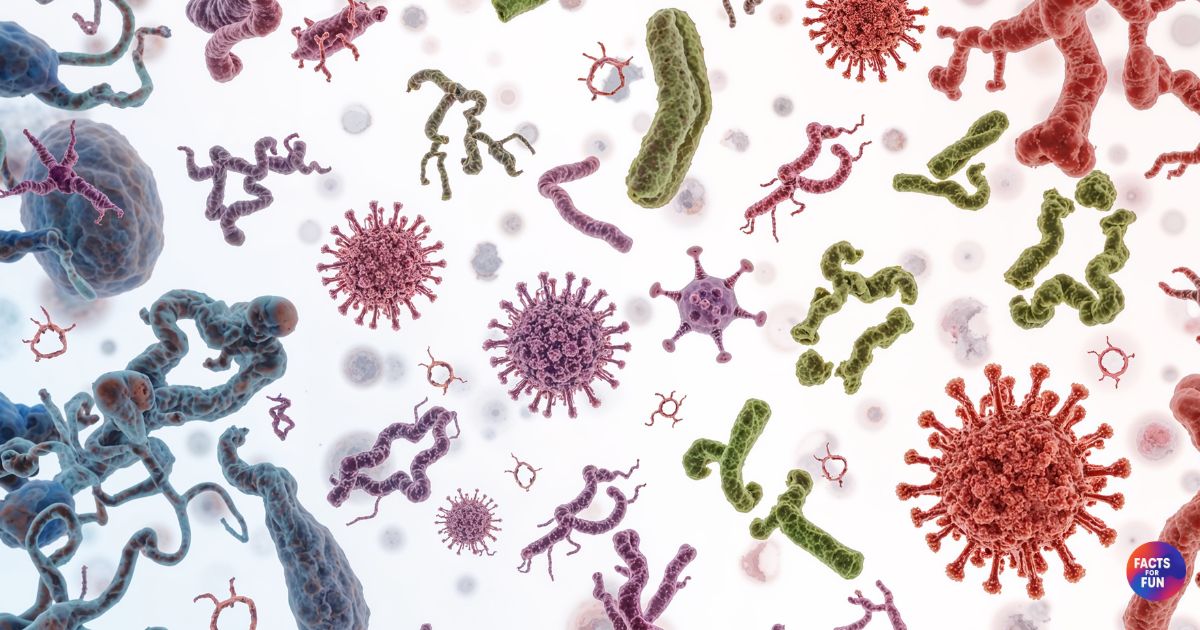
We often think of ourselves as completely human, but in truth, we’re part walking ecosystem. Trillions of microscopic creatures live in and on our bodies, forming a hidden world that shapes how we digest, fight disease, and even feel emotions. This invisible population — known as the human microbiome — works quietly behind the scenes, keeping us balanced and alive. Here are some of the most surprising facts about the microbes that share your body.
- You Are More Microbe Than Human
- The Microbiome Weighs About Two Pounds
- Your Gut Microbes Eat What You Can’t
- Your Microbes Make Vitamins
- Microbes Train the Immune System
- Your Gut Talks to Your Brain
- The Skin Has Its Own Ecosystem
- Every Person Has a Unique Microbial Signature
- Antibiotics Can Wipe Out Friendly Bacteria
- Microbes Change With Time and Place
- You Can Nurture Your Microbiome
- FAQ
You Are More Microbe Than Human
Your body hosts around 100 trillion microorganisms — about as many microbial cells as human ones. Together they form the microbiome, made up of bacteria, fungi, and viruses that live mostly in your gut, mouth, and on your skin. Far from being freeloaders, these tiny companions digest food, make vitamins, train the immune system, and influence your mood.
The Microbiome Weighs About Two Pounds
All those microscopic residents add up. The entire microbiome weighs around two pounds (one kilogram) — about the same as your brain. Most of it lives in the intestines, where dense bacterial colonies form a community essential for survival.
Your Gut Microbes Eat What You Can’t
Humans can’t digest dietary fiber, but our gut bacteria can. They ferment it into short-chain fatty acids that feed intestinal cells, reduce inflammation, and strengthen the gut barrier. In other words, when you eat fiber, you’re also feeding your bacteria — and they return the favor by keeping you healthy.
Your Microbes Make Vitamins
Some gut microbes produce vitamin K and several B vitamins, which your body absorbs and uses for metabolism, energy, and brain function. They’re like an internal supplement factory, operating nonstop without your awareness.
Microbes Train the Immune System
From infancy, microbes teach your immune system how to recognize threats and ignore harmless substances. A diverse microbiome keeps your defenses balanced, reducing the risk of allergies and autoimmune reactions. Too much sterility or overuse of antibiotics can upset this natural training process.
Your Gut Talks to Your Brain
The gut and brain are connected through the vagus nerve and an army of chemical messengers. Gut microbes produce molecules that influence mood, stress, and sleep — what scientists call the gut–brain axis. A happy gut often means a calmer mind.
The Skin Has Its Own Ecosystem
Your skin hosts its own microbial universe. Trillions of bacteria live on its surface, protecting you from harmful invaders and helping wounds heal. Each area — dry arms, oily forehead, or sweaty palms — has its own unique mix of species adapted to that mini-environment. This dynamic community is known as the skin microbiome — a protective ecosystem of microbes working like tiny defenders on the surface.
Every Person Has a Unique Microbial Signature
Just like fingerprints, no two microbiomes are the same. Your microbial “ID” is shaped by genetics, diet, lifestyle, and even pets. Twins share only part of their microbiome, proving that life experience matters as much as DNA.
Antibiotics Can Wipe Out Friendly Bacteria
Antibiotics are life-saving, but they kill good microbes along with the bad ones. After a course of medication, it can take months for your gut ecosystem to recover. Eating fiber-rich foods and fermented products like yogurt or kimchi helps rebuild a healthy balance.
Microbes Change With Time and Place
Your internal ecosystem evolves throughout life. Travel, aging, diet changes, and even stress can reshape it. People living in rural areas tend to have more diverse microbes than those in big cities, showing how lifestyle and environment shape our invisible companions.
You Can Nurture Your Microbiome
Diversity is key. Eating fruits, vegetables, legumes, and whole grains feeds good bacteria. Getting enough sleep, reducing stress, and avoiding overuse of antiseptics also help your microbial community thrive. A balanced microbiome supports digestion, mood, and immunity — proof that caring for your microbes means caring for yourself.
FAQ
1. What is the human microbiome?
It’s the collection of trillions of microorganisms — mostly bacteria — that live in and on the human body.
2. Are all microbes harmful?
No. Most are harmless or helpful, supporting digestion, vitamin production, and immune defense.
3. Can diet change my microbiome?
Yes. Fiber-rich and fermented foods help good bacteria grow and keep your gut balanced.
4. How do antibiotics affect microbes?
They eliminate both harmful and beneficial bacteria, which can disrupt digestion and immunity.
5. What is the gut–brain axis?
It’s the two-way communication between the gut and brain, where microbes influence mood, stress, and even sleep.
Sources
- NIH – The Human Microbiome Project
- Nature Reviews Microbiology – Microbial Communities in Health
- Harvard T.H. Chan School of Public Health – Gut Health Explained
- Mayo Clinic – Gut Bacteria and Immunity
- BBC Science Focus – The Hidden World Inside You
- National Geographic – Microbes and the Human Body
- American Society for Microbiology – The Microbiome and You
- Johns Hopkins Medicine – The Gut–Brain Connection