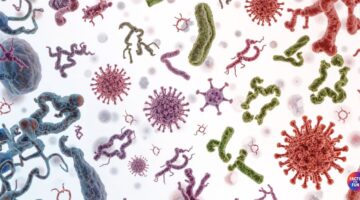
Your skin isn’t just a covering — it’s a bustling ecosystem. Every square inch of it is home to millions of bacteria, fungi, and viruses that quietly protect you from the outside world. Scientists call this invisible community the skin microbiome, and it’s part of a much larger network that lives inside you — the human microbiome, which keeps your entire body in balance. From training your immune system to helping heal wounds, your microbes are doing far more than you think. Here are 15 fascinating facts that reveal just how alive your skin really is.
- Your Skin Hosts Trillions of Tiny Organisms
- Friendly Bacteria Guard You from Invaders
- Dry Skin Weakens Your Natural Defenses
- Antibacterial Soaps Can Backfire
- Your Skin Has an Acidic Shield
- The Microbiome Trains Your Immune System
- Your Microbes Help Heal Wounds
- Every Person Has a Unique Microbial Fingerprint
- People Who Live Together Share Their Microbes
- Your Environment Shapes Your Microbial World
- Microbiome Tests Are Revolutionizing Skincare
- Your Microbes Could Help Solve Crimes
- Stress and Sleep Disrupt Your Microbial Balance
- Your Microbiome Reflects How You Live
- Respect Your Invisible Allies
- FAQ
Your Skin Hosts Trillions of Tiny Organisms
Your skin is one of the most densely populated ecosystems on the planet — home to about a trillion microorganisms. Each zone, from your oily forehead to your dry shins, has its own micro-climate and distinct microbial residents. Oily areas favor Cutibacterium, while dry spots attract Corynebacterium and Staphylococcus. These tiny creatures survive on your sweat, sebum, and dead cells, creating a balanced network that protects against dangerous intruders. Altogether, your skin carries more life than there are humans on Earth.
Friendly Bacteria Guard You from Invaders
The most powerful defense your body has isn’t made of steel — it’s bacterial. Beneficial microbes such as Staphylococcus epidermidis produce antimicrobial peptides that act like natural antibiotics. They crowd out harmful species, reduce inflammation, and alert your immune system to real threats. Without this living armor, a simple scratch could let pathogens enter and cause infection. Your skin’s “good guys” are essentially its microscopic security guards.
Dry Skin Weakens Your Natural Defenses
Microbes need a stable, slightly moist environment to survive. When the skin becomes too dry — from cold weather, hot showers, or over-cleansing — the beneficial bacteria lose their habitat. This imbalance, called dysbiosis, triggers inflammation and increases sensitivity. Proper hydration keeps these microbes thriving, strengthening your immune response and helping skin recover faster from damage. Dry skin isn’t just uncomfortable — it’s vulnerable.
Antibacterial Soaps Can Backfire
Killing all germs might sound like a good idea, but it’s not. Overusing antibacterial soaps or sanitizers destroys the beneficial bacteria that keep your skin healthy. These products often contain harsh chemicals like triclosan, which can upset the skin’s pH and promote resistant bacteria. The result is dryness, irritation, and a fragile barrier that can’t defend itself. Ironically, the cleaner you try to be, the less protected your skin becomes.
Your Skin Has an Acidic Shield
Healthy skin maintains a slightly acidic surface — around pH 4.5–5.5 — forming the so-called acid mantle. This invisible film is made of sweat, sebum, and natural fatty acids. It acts as a chemical shield, discouraging harmful microbes and supporting beneficial ones. When we wash too often or use alkaline products, this acidity disappears, leaving the skin exposed. A healthy pH keeps your microbial allies comfortable — and the enemies out.
The Microbiome Trains Your Immune System
Your first teachers in immunity were bacteria. From birth, microbes living on your skin and gut teach immune cells to tell harmless species from dangerous ones. They fine-tune inflammation, prevent overreactions, and help build tolerance. Children raised in ultra-sterile environments tend to have more allergies and eczema because their immune systems never learned to coexist with microbes. A bit of microbial mess, it turns out, is good for you.
Your Microbes Help Heal Wounds
When you get a cut or scrape, your skin’s bacteria don’t just sit there — they help repair it. Staphylococcus epidermidisproduces molecules that calm inflammation and stimulate the production of new tissue. Studies show that wounds lacking these microbes heal slower and are more likely to scar. Your bacterial partners literally guide your skin’s recovery process.
Every Person Has a Unique Microbial Fingerprint
No two people have identical skin microbes — not even identical twins. Only about 6% of bacterial species are shared universally across humans. The rest are influenced by genetics, diet, age, environment, and even your pets. This microbial individuality is so precise that forensic scientists can identify a person just from the DNA of their skin bacteria. You leave behind a biological signature wherever you go.
People Who Live Together Share Their Microbes
When people share a home, their microbes mingle too. Couples, families, and even their dogs exchange bacteria through touch, shared objects, and air. Over time, their microbiomes become more similar — a kind of invisible microbial fingerprint of domestic life. Your skin, quite literally, carries traces of the people and places you love most.
Your Environment Shapes Your Microbial World
Your surroundings influence your microbiome more than you think. City pollution, stress, and processed food reduce microbial diversity, while rural living, outdoor activity, and contact with animals increase it. People who garden or spend time in nature tend to have stronger, more balanced skin flora. The more diverse your environment, the more resilient your microbes — and your health.
Microbiome Tests Are Revolutionizing Skincare
Advances in DNA sequencing now allow scientists to map your personal microbiome. These tests can show which bacteria dominate your skin and whether it’s in balance. Dermatologists are beginning to use these insights to design personalized treatments and probiotic creams that restore the microbiome instead of stripping it. Future skincare will likely be based not on skin type — but on microbial type.
Your Microbes Could Help Solve Crimes
Even if you wipe down fingerprints, you can’t erase your microbes. Every person leaves behind a unique microbial cloud that lingers on objects they touch — door handles, phones, keyboards. Forensic researchers can use this microbial DNA to identify who was present at a crime scene. It’s the new frontier of forensic science — one where bacteria become silent witnesses.
Stress and Sleep Disrupt Your Microbial Balance
Your skin is in constant communication with your brain through hormones and nerves. Stress triggers chemical changes that alter microbial composition and increase inflammation. Lack of sleep also disrupts skin repair cycles, leading to breakouts and dullness. Rest and relaxation, on the other hand, help restore your microbiome’s balance. A calm mind really does lead to calmer skin.
Your Microbiome Reflects How You Live
Your lifestyle writes itself into your microbial code. Diet, skincare products, climate, and hygiene habits all shape your microbiome’s diversity. Over-cleansing, for example, reduces microbial richness, while a balanced diet rich in fiber and healthy fats supports beneficial species. Your microbes are like living mirrors — reflecting your habits, health, and even mood.
Respect Your Invisible Allies
Your skin’s microbes have been with you since birth, evolving alongside humanity for millions of years. They heal wounds, teach your immune system, and defend you from harm every single day. Treat them kindly — avoid harsh soaps, moisturize regularly, and let your skin stay naturally balanced. The more you nurture this invisible world, the more it protects the one you live in.
FAQ
1. What is the skin microbiome?
It’s the community of trillions of bacteria, fungi, and viruses living on your skin. Together they protect, repair, and help your immune system stay balanced.
2. Why isn’t all bacteria bad?
Most bacteria are either neutral or beneficial. They crowd out pathogens, produce natural antibiotics, and even reduce inflammation. Without them, your skin would be vulnerable and unprotected.
3. How does dryness affect immunity?
Dry skin kills off friendly microbes and cracks the barrier that keeps germs out. Moisture keeps these bacteria alive, allowing them to support immunity and repair damaged tissue.
4. Are antibacterial soaps dangerous?
Overuse removes good bacteria and disrupts pH balance. This weakens the skin barrier, causing irritation, eczema, and breakouts. Mild soap is best for everyday use.
5. Can microbes really identify a person?
Yes. Everyone’s microbial DNA pattern is unique. Forensic researchers can match this microscopic signature to individuals — like a bacterial fingerprint.
Sources
- Journal of Clinical Investigation – Skin Microbiome and Dermatologic Disorders
- PMC – The Skin Microbiome
- National Geographic – Our Skin Is Teeming with Microbes
- Esse Skincare – Lesser-Known Facts About the Skin Microbiome
- Nature Reviews Microbiology – Human Microbiota in Health and Disease
- Harvard Health Publishing – How Bacteria Keep Skin Healthy
- NIH – Skin Microbiota and Immunity