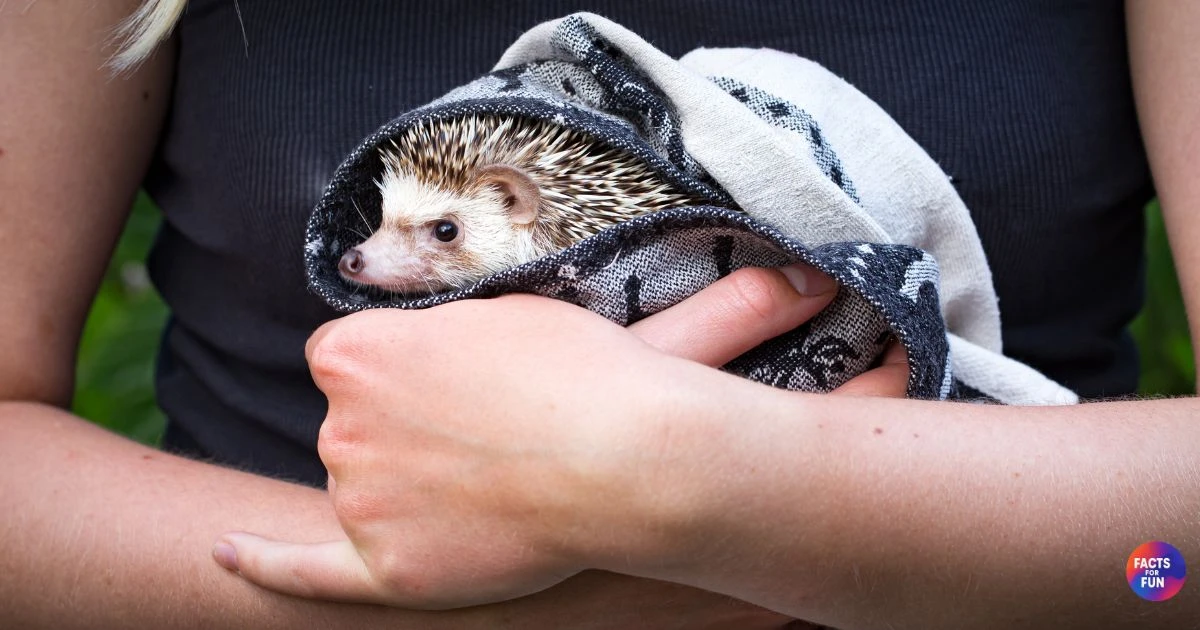
Hedgehogs are increasingly popular exotic pets that combine curiosity, independence, and a surprising level of intelligence. While wild European hedgehogs should never be kept at home, specially bred African pygmy hedgehogs have become beloved companions for many families. These little creatures are nocturnal, quiet, and relatively easy to care for if you understand their basic needs.
Domestic Hedgehog Species and Their Traits
Most hedgehogs suitable for home life belong to warm-climate species native to Africa. The most common and safest option for beginners is the African pygmy hedgehog, a hybrid of two wild species — the four-toed and the North African hedgehog. These pets do not hibernate, are smaller than European hedgehogs, and have a variety of colors — from gray and chocolate to champagne and albino.
Another species occasionally kept as a pet is the Egyptian long-eared hedgehog, recognizable by its large ears and light coloring. It’s quicker and more active but also more cautious around people. Because it can enter hibernation in cool conditions, it requires precise temperature control.
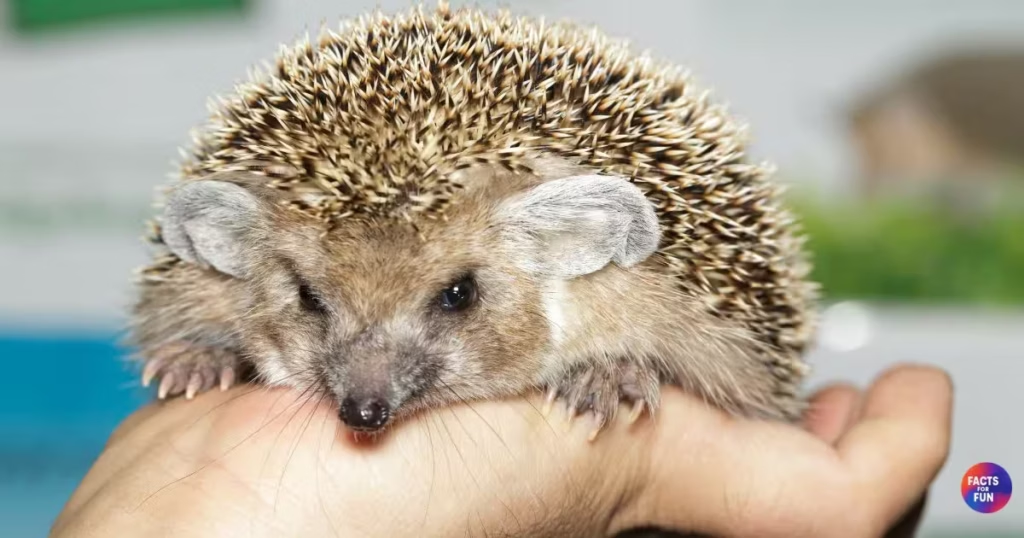
Keeping wild species like the European hedgehog is strongly discouraged: they often carry parasites, need to hibernate, and do not adapt well to human environments.
Housing and Habitat: Setting Up a Safe Home
Pet hedgehogs need a comfortable, enclosed, and stable environment. The ideal enclosure is a spacious cage or vivarium at least 60×40 cm (2×3 ft), with smooth sides to prevent climbing injuries. Avoid wire floors — they can cause broken legs or trapped feet.
Inside, place a hideout or sleeping pouch where the hedgehog can rest during the day. These animals are nocturnal and must have a dark, safe space to feel secure. Keep the temperature between 23–27°C (72–85°F). Below 21°C (70°F), an African pygmy hedgehog may fall into dangerous torpor (false hibernation). A ceramic heat emitter or under-tank heater with a thermostat ensures stable warmth.
Hedgehogs are surprisingly good climbers but poor at judging distance. Never let them near open edges or high surfaces — they can easily fall and injure themselves.
Lifestyle, Routine, and Hygiene
Hedgehogs sleep most of the day and come alive at night. Don’t be surprised to hear them running, sniffing, or rustling after dark — they can run up to 8 miles per night in the wild. To satisfy this instinct, every hedgehog should have a solid-surface running wheel at least 28–30 cm (11–12 inches) in diameter.
Although solitary, they form strong bonds with their owners. Daily interaction keeps them social and prevents aggression. You can pick them up carefully from underneath — never from above, as that triggers their defensive reflex to curl up into a ball.
Bathing is needed only every few months, using warm water and a gentle pet shampoo. Clean their feet with a soft toothbrush to remove dirt (“poopy boots”), and trim nails regularly. Their cage should be cleaned weekly, with fresh water and food provided daily.
Behavior and Unique Quirks
Hedgehogs have poor eyesight but an excellent sense of smell and hearing. They explore their surroundings mainly through scent. One of their strangest behaviors is self-anointing — when encountering a new smell, they lick it, create foam in their mouth, and spread it over their spines. Scientists aren’t sure why they do this — it might serve as camouflage or protection.
Don’t expect litter training success — hedgehogs usually defecate in their wheel while running. Some may choose a cage corner for this, but it’s rare. A small litter box under the wheel helps with cleanup.
Another charming habit: some hedgehogs love exploring cardboard tunnels or pushing small balls around. Just make sure toys have no loose parts or fibers.
Feeding: What They Can and Can’t Eat
Pet hedgehogs are insectivores with omnivorous tendencies. Their diet should be high in protein and low in fat. The best base is commercial hedgehog food or high-quality dry cat food (chicken or turkey flavor, no fish).
They must also receive insects like mealworms, crickets, or waxworms several times a week — these are essential for digestion. As treats, you can offer small pieces of cooked chicken or boiled egg. Fruits like apples or bananas can be given sparingly.
Never feed: milk or dairy (hedgehogs are lactose intolerant), sweets, nuts, bread, or citrus. Avoid anything spicy, salty, or fried. Cedar and pine shavings are also toxic due to their strong oils — use paper or aspen bedding instead.
Do Pet Hedgehogs Hibernate?
Only wild European hedgehogs hibernate naturally. Domestic African pygmy hedgehogs should never hibernate. If they become sluggish or cold, it’s a warning sign of incorrect temperature. Always keep their environment warm and consistent year-round.
👉 Unlike their wild cousins, pet hedgehogs need stable warmth — you can find out how wild hedgehogs survive in nature in our article Fun Facts About Hedgehogs.
Interaction and Play
Pet hedgehogs can become surprisingly affectionate once they trust you. Regular handling (20–30 minutes a day) helps them recognize your scent and stay tame. Let them explore a safe space under supervision. They enjoy tunnels, soft fleece balls, or foraging toys filled with treats.
They rarely bite, but if frightened, they’ll puff up and hiss. When relaxed, their spines lay flat, and they might even fall asleep in your hand. With patience, they can grow quite fond of gentle interaction.
Compatibility with Other Pets
Hedgehogs are solitary animals and should never share a cage. They may coexist peacefully in the same home with cats or calm dogs, but only under supervision. Never let them interact freely with hunting breeds. Hedgehogs rely on curling into a ball for protection, so rough play can be dangerous.
Surprising Hedgehog Facts
- They are capable of recognizing individual humans by scent.
- Hedgehogs can dream — during REM sleep, their tiny legs twitch as if they’re running.
- They are remarkably clean animals and often “organize” their sleeping area apart from where they eat.
- Their spines are made of keratin — the same material as human nails.
- A healthy domestic hedgehog can live up to 6–8 years with proper care.
Sources
- Wikipedia – African Pygmy Hedgehog
- Iowa State University – African Hedgehog Medical Guide
- Hedgehog Central – Pet Care and Housing
- McGill University – Spines: Multifunctional Mechanisms
- PetMD – Exotic Pet Care: Hedgehogs